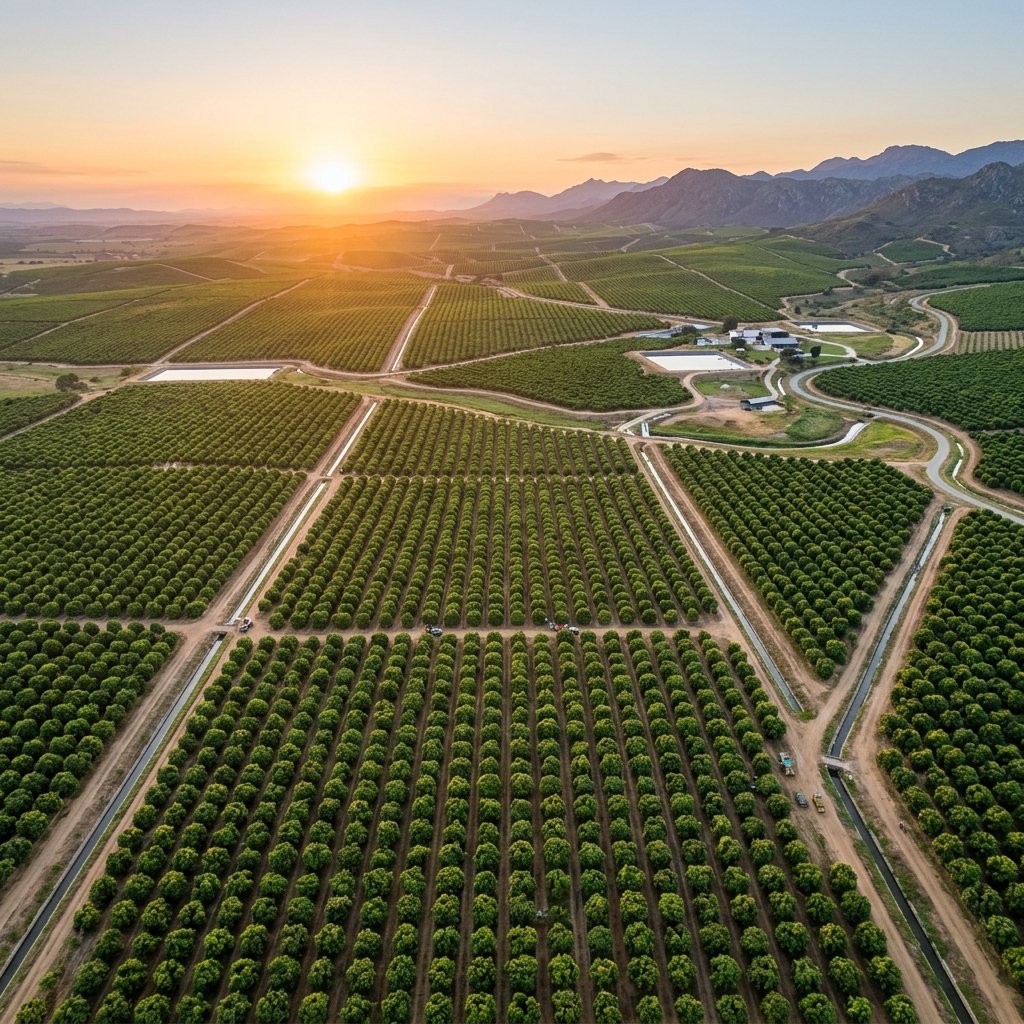
Natural Farming
Grow Naturally. Farm Sustainably. Harvest Better.
Embrace the future of agriculture with Zero Budget Natural Farming (ZBNF) and sustainable mango farming practices.
Natural Farming
Discover practical mango farming methods, natural farming techniques, expert guidance and better ways to improve farm productivity.
What is Natural Farming?
Natural farming focuses on restoring soil health and increasing biodiversity without the use of chemical fertilizers or pesticides. It relies on farm-produced bio-inputs and natural ecosystem balance.
- Eliminates harmful synthetic chemical inputs.
- Promotes sustainable, long-term soil fertility.
- Reduces farming costs while ensuring quality yields.
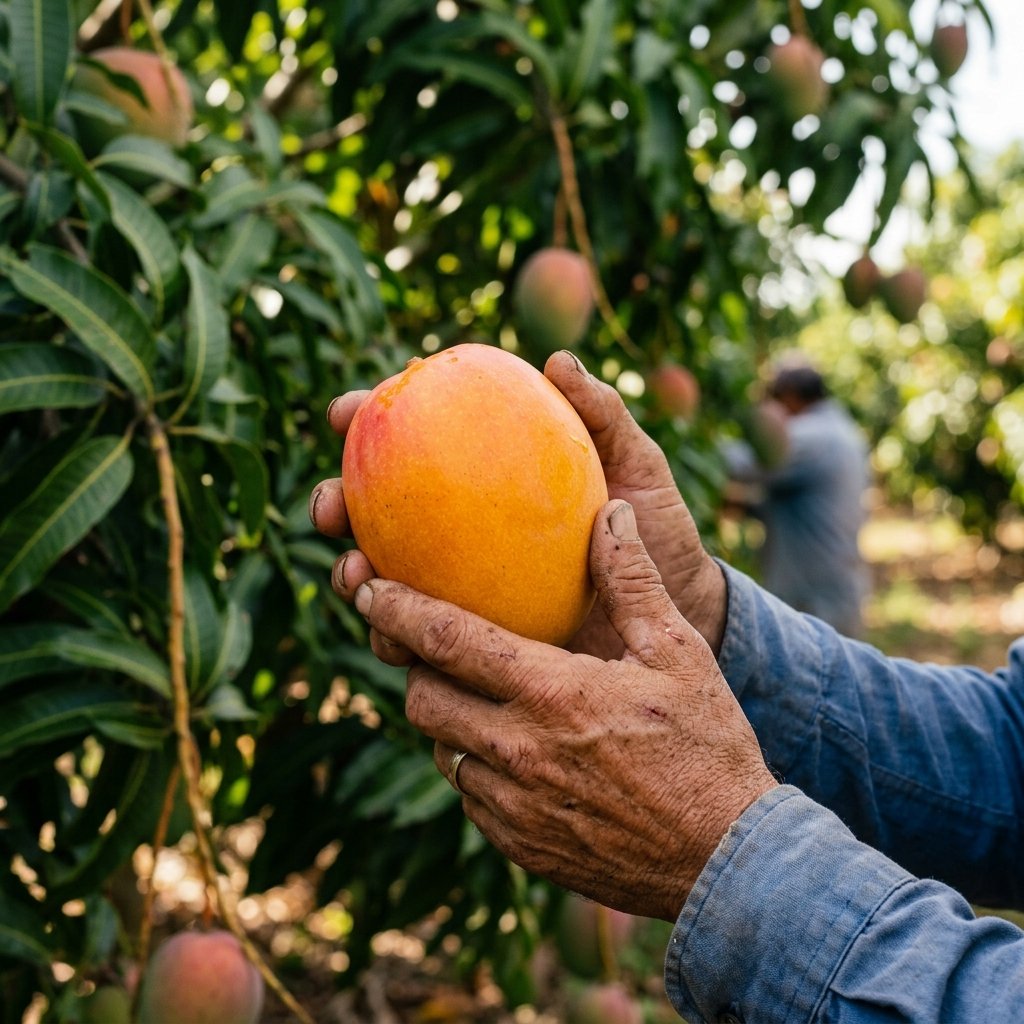
ZBNF & Natural Farming Core Principles
Understanding the key pillars that support a thriving natural mango orchard.
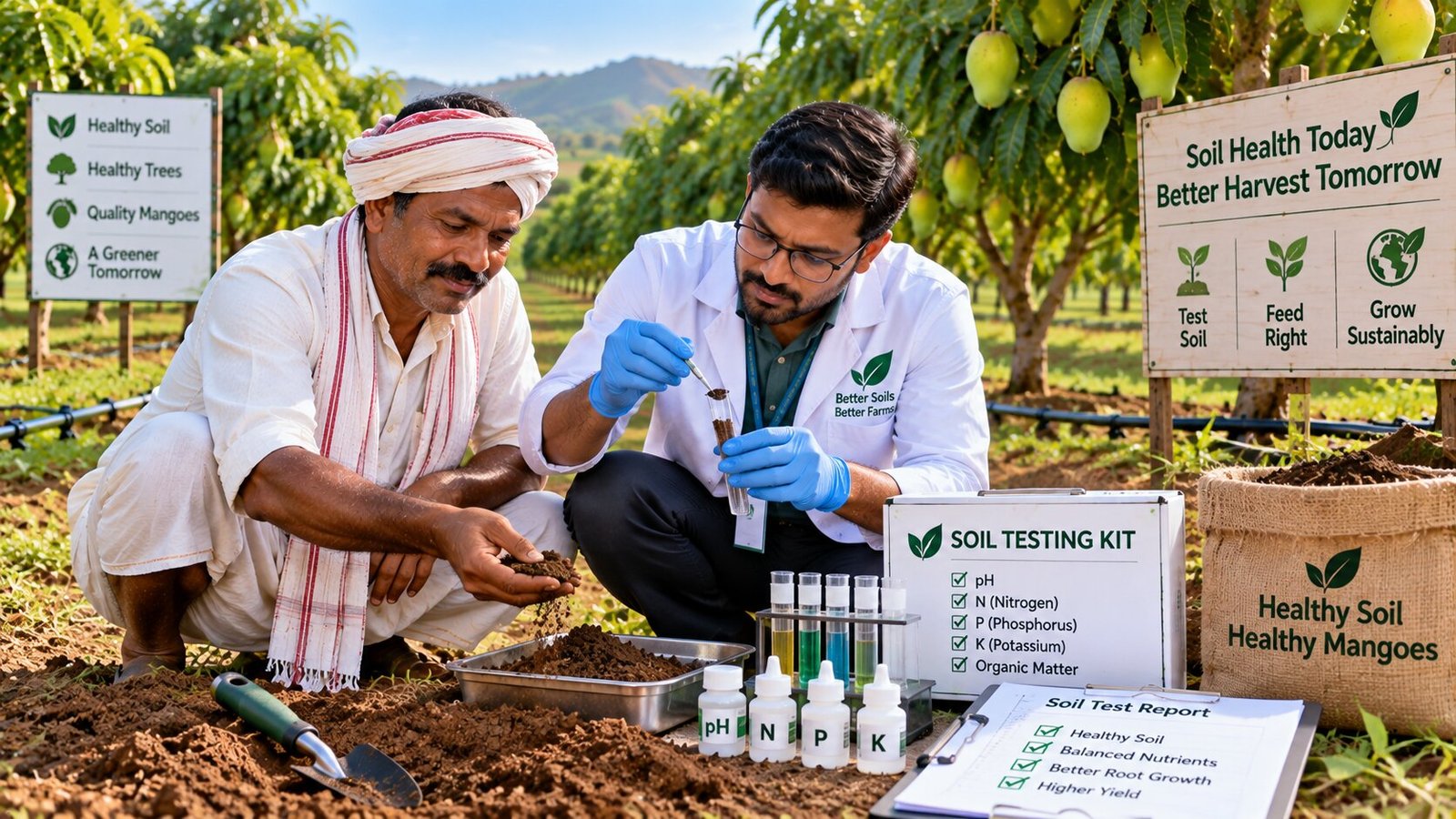
Soil Microbial Activity
Enhancing beneficial microbes to unlock soil nutrients naturally.
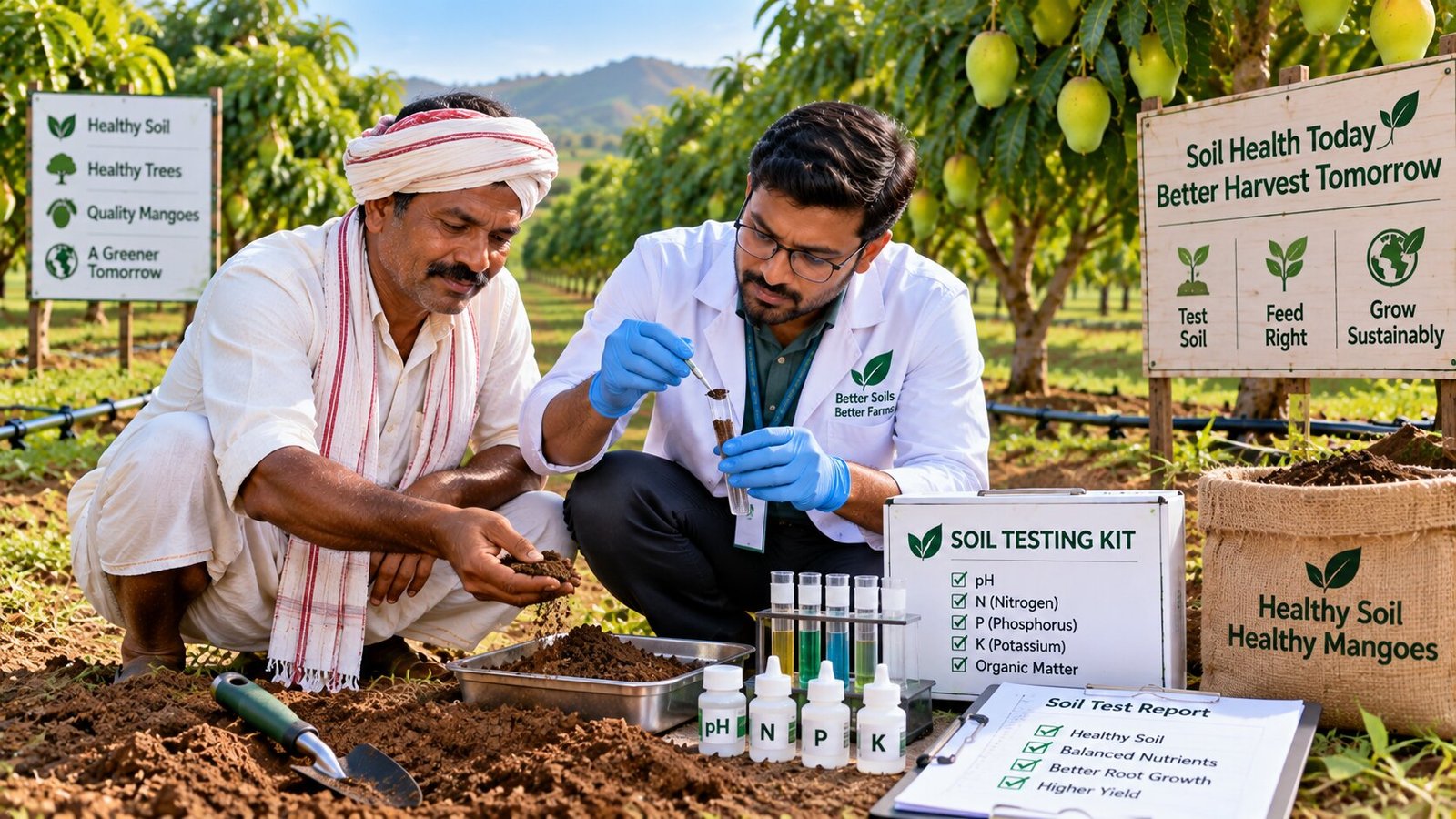
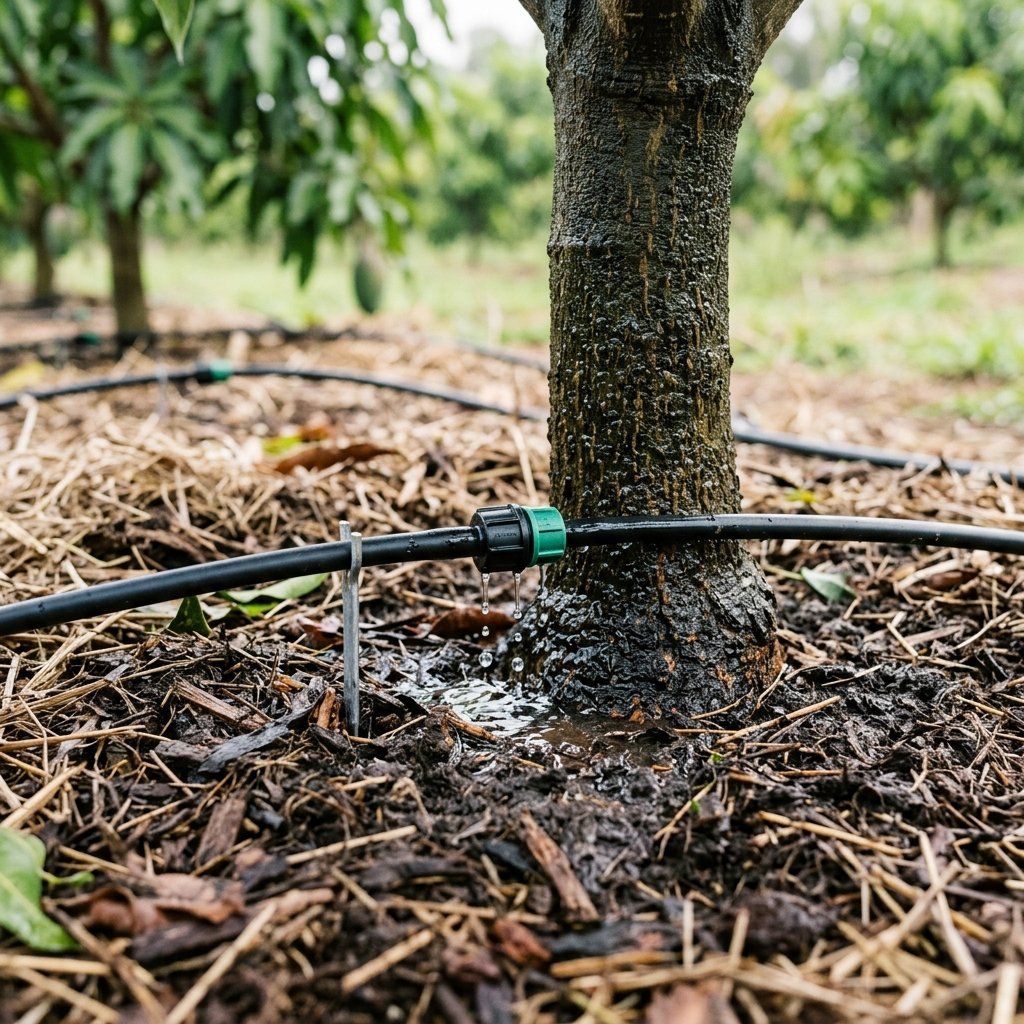
Mulching
Protecting topsoil, reducing evaporation, and suppressing weeds.
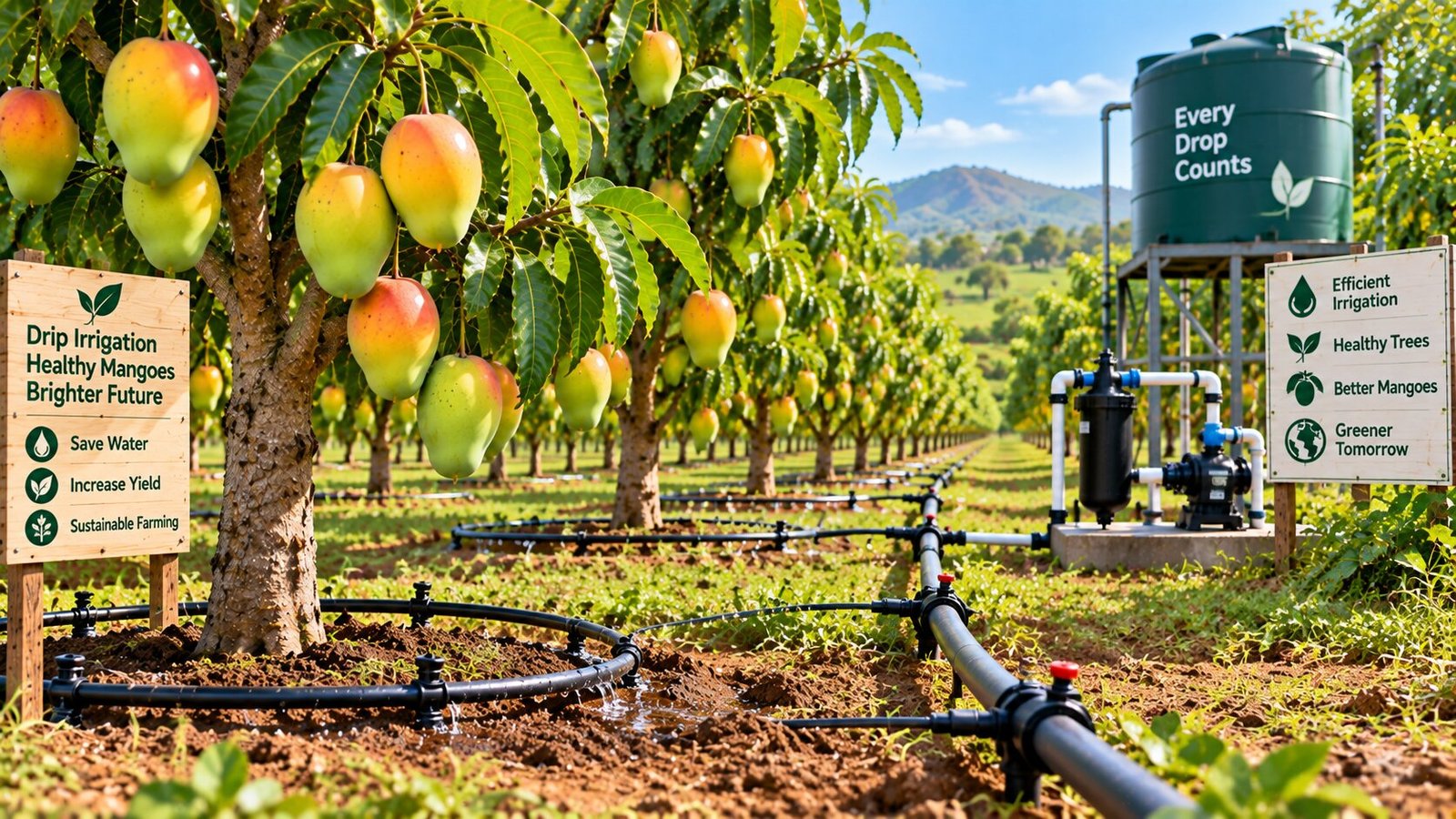
Water Conservation
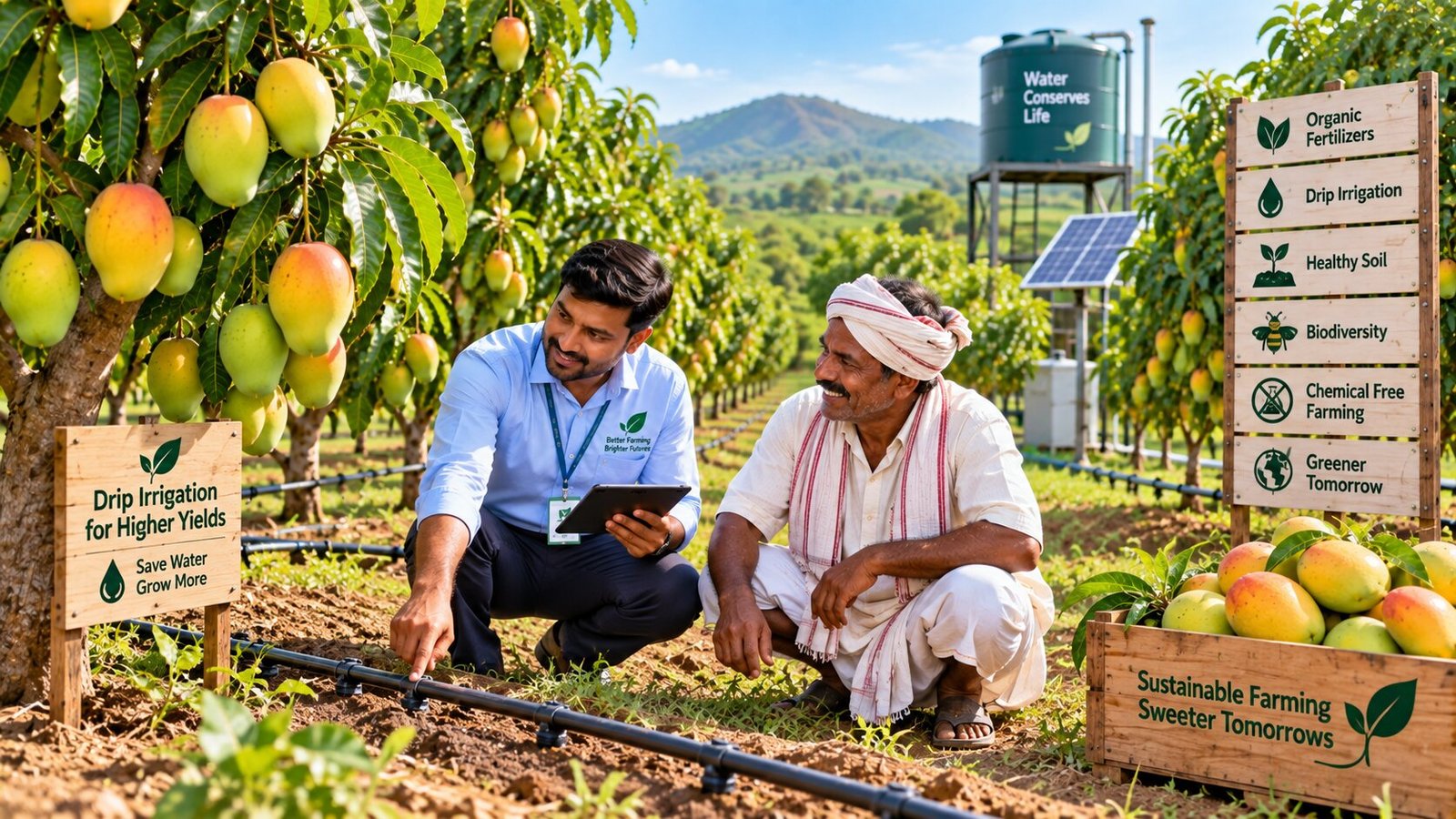
Optimizing irrigation to ensure deep root growth and resilience.
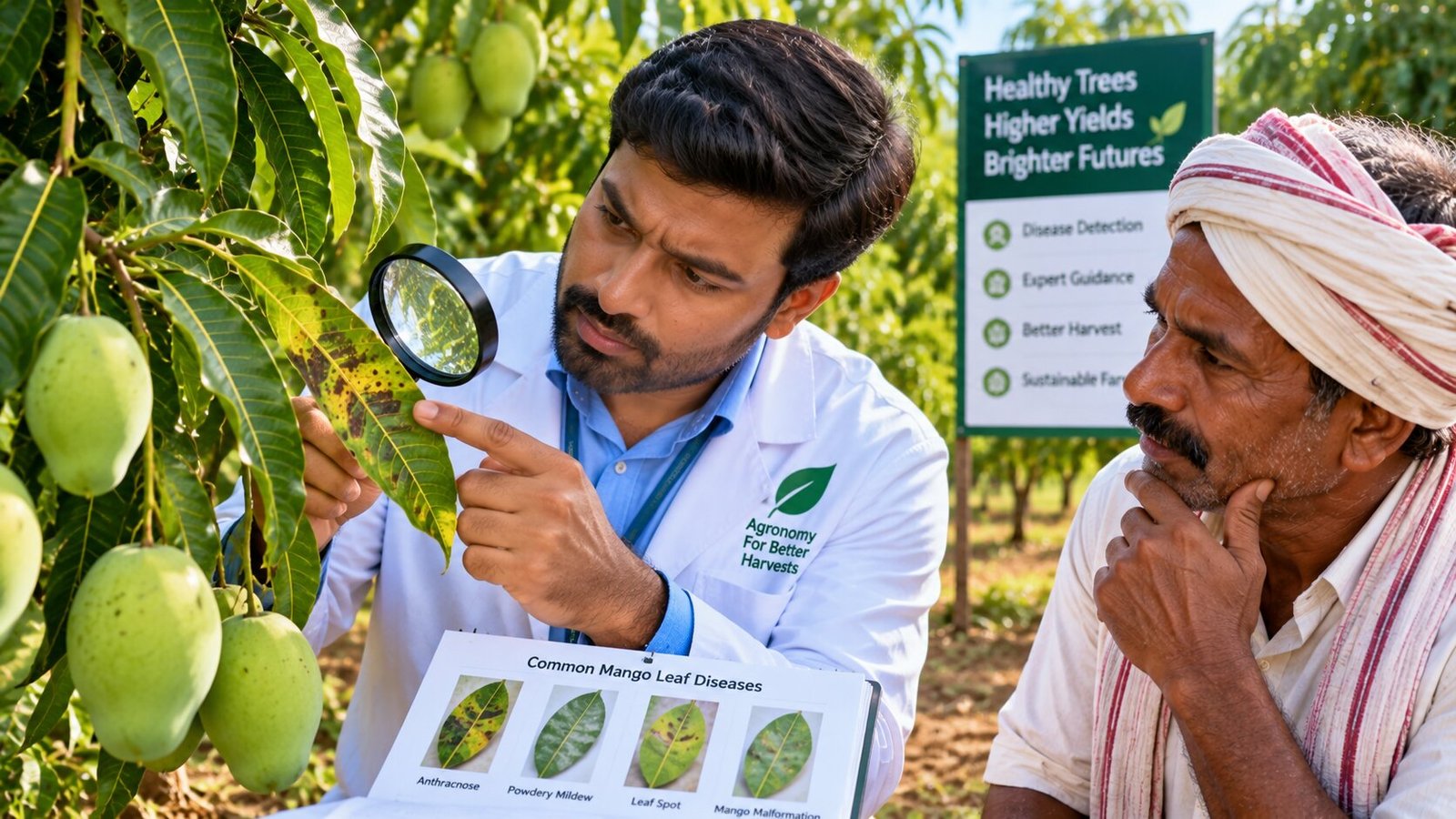
IPM
Integrated Pest Management using natural predators and traps.
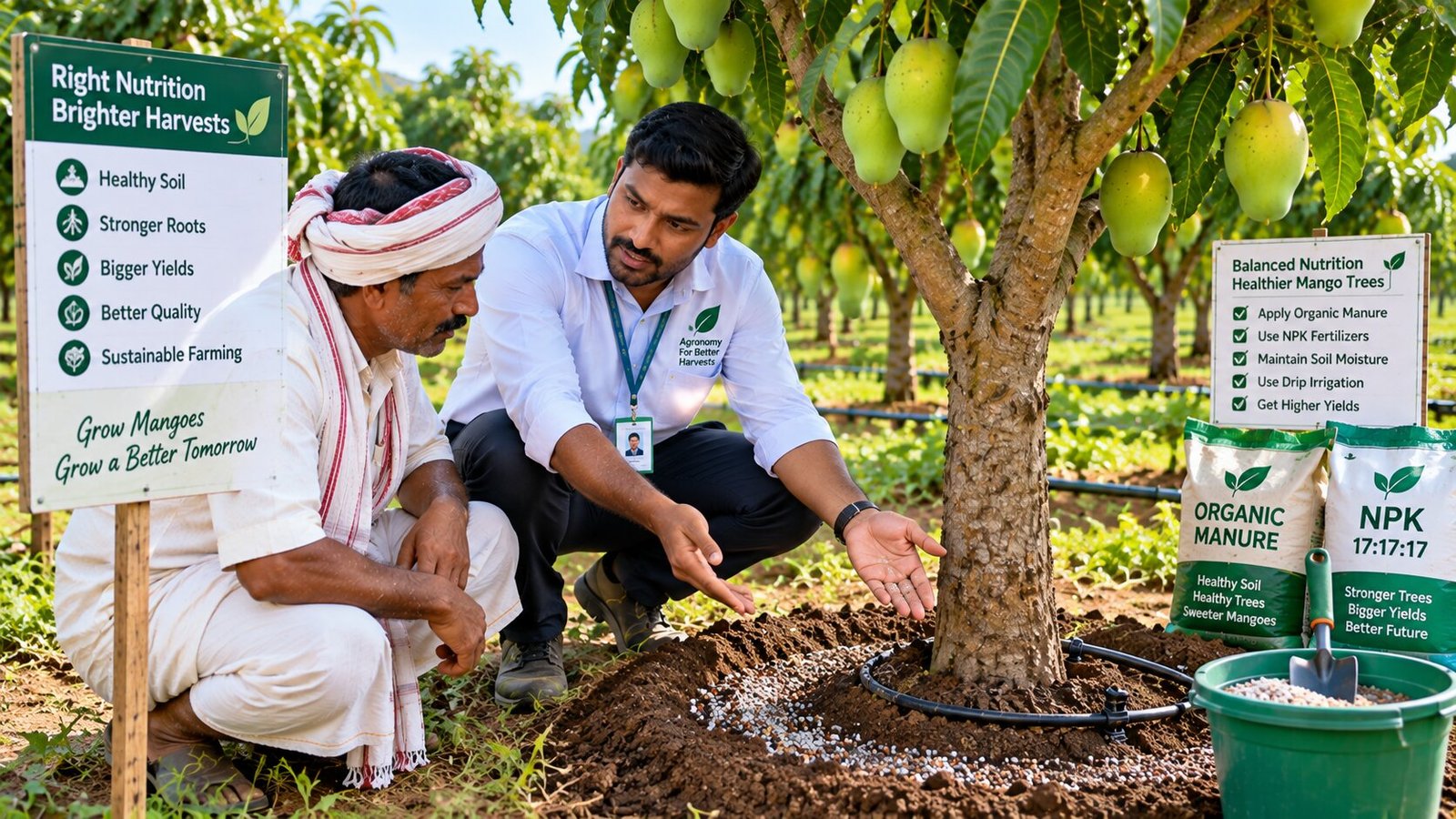
Jeevamrutha
Traditional microbial culture to revitalize soil health quickly.
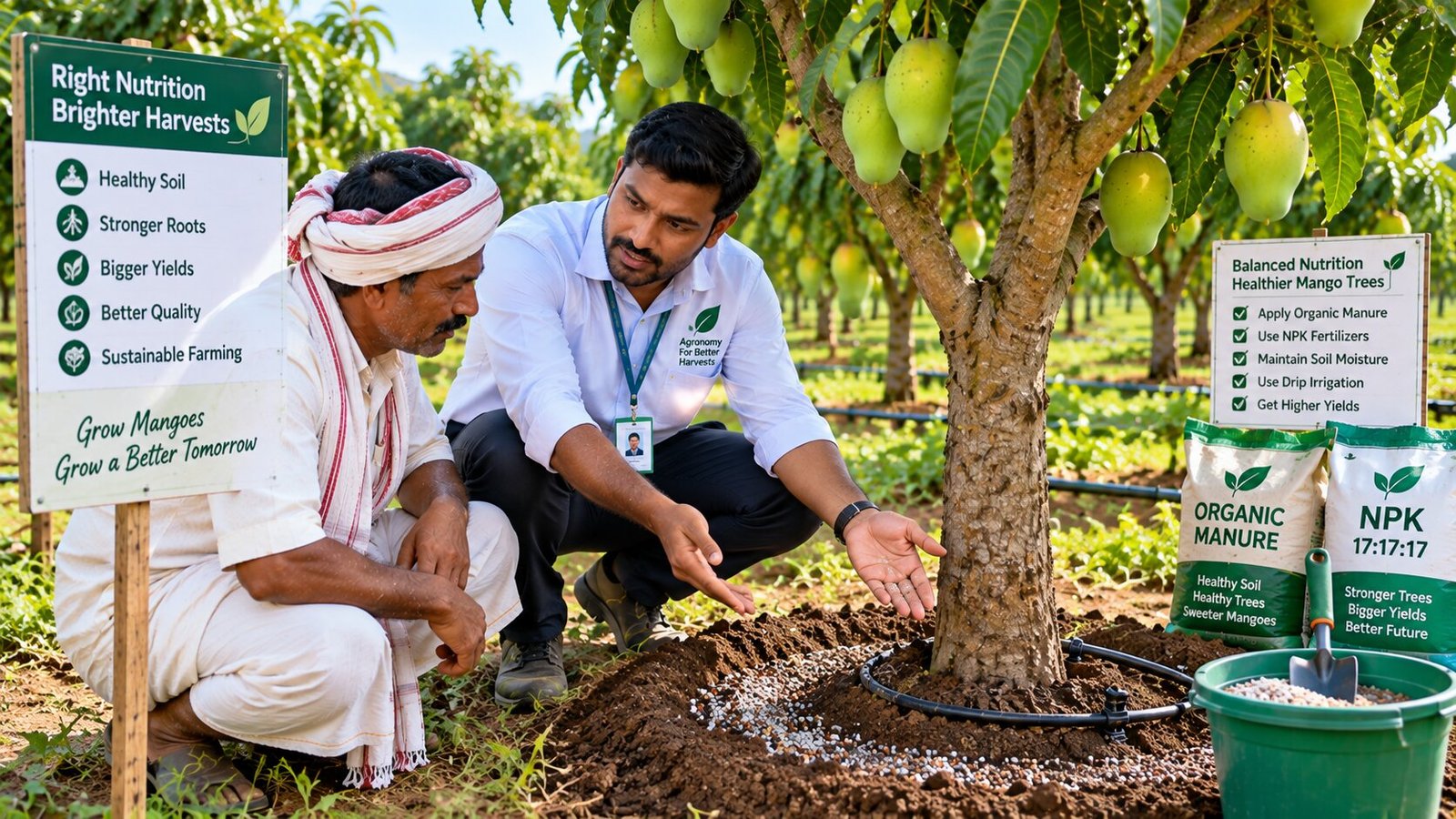
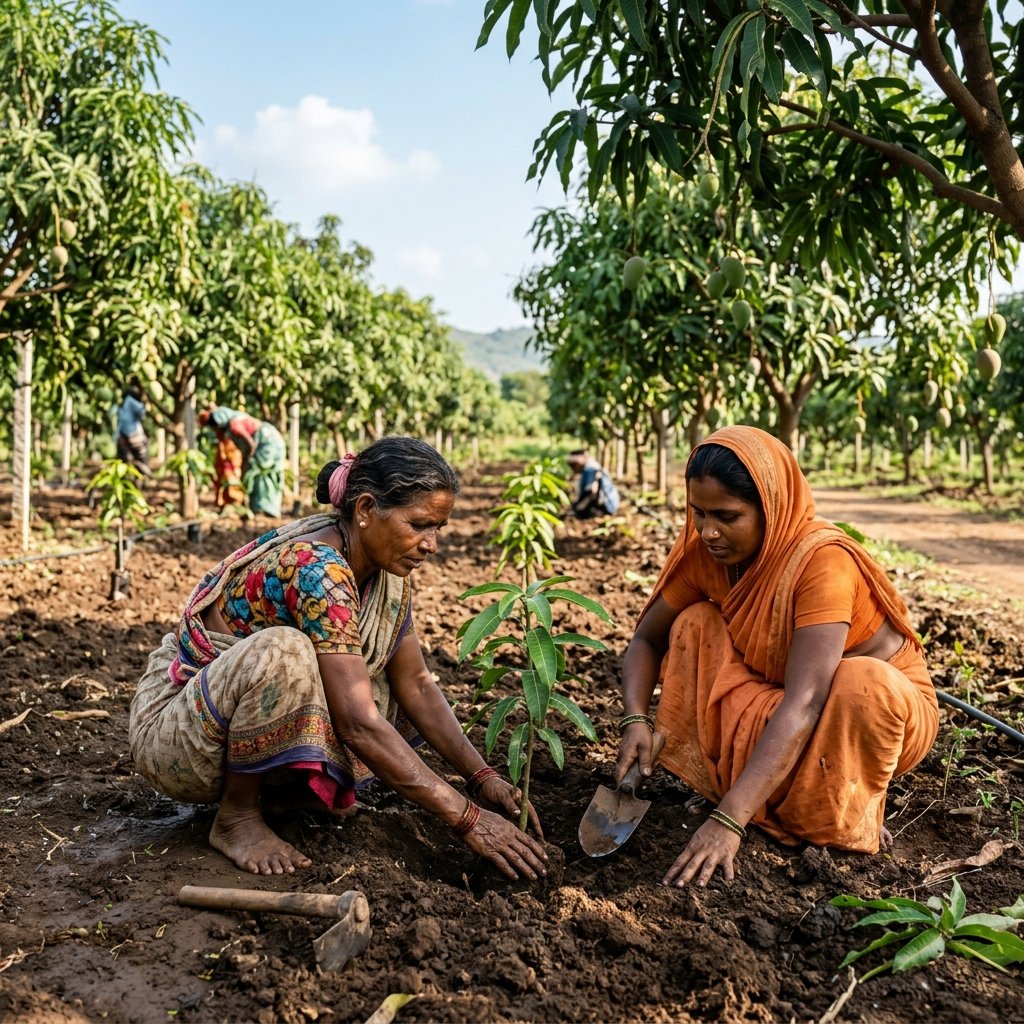
Compost & FYM
Farm Yard Manure and compost for long-term organic carbon.
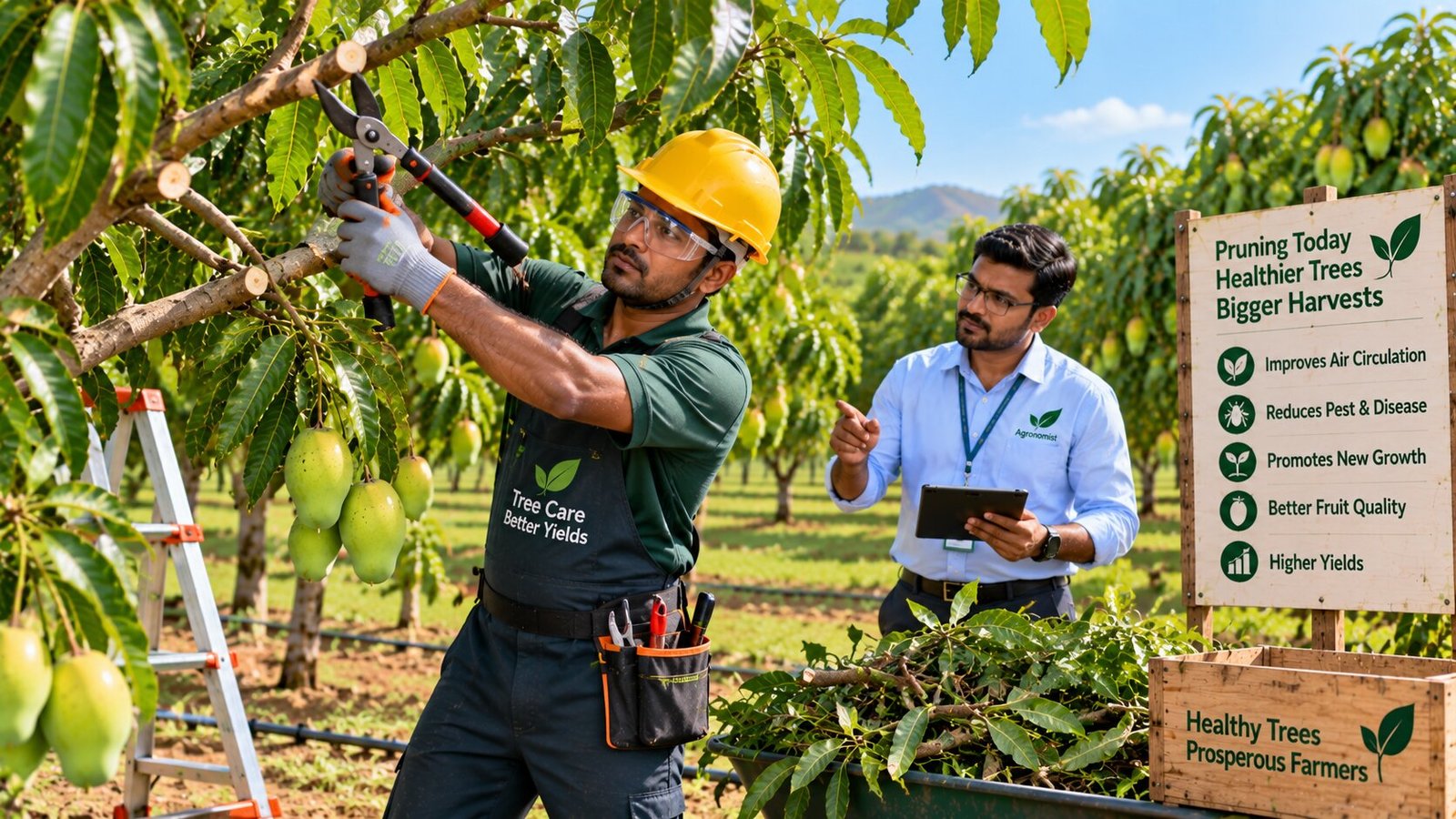
Tree Nutrition
Balanced natural inputs for optimal canopy and fruit development.
Biodiversity
Encouraging diverse flora and fauna for natural equilibrium.
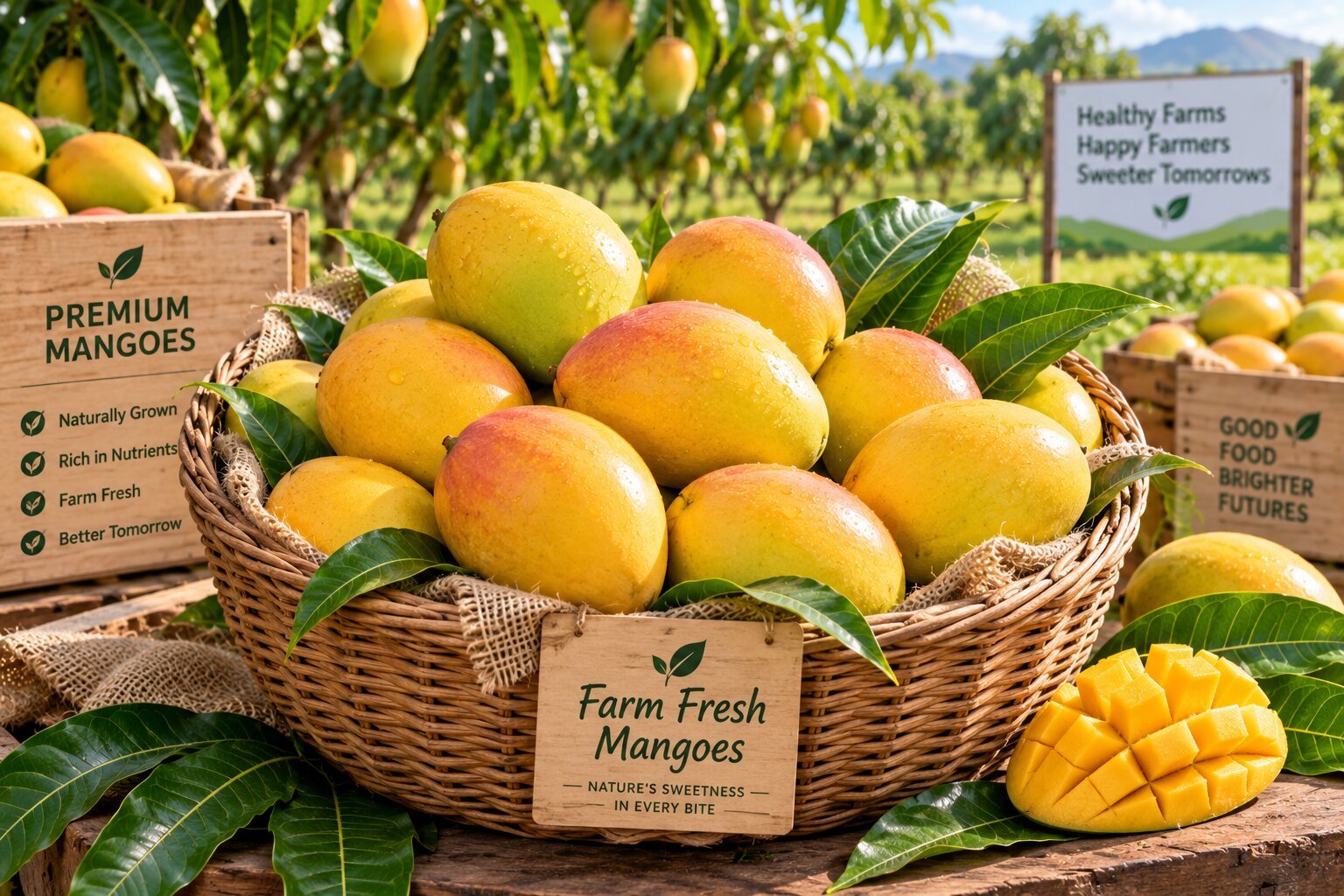
Organic Certification Pathway
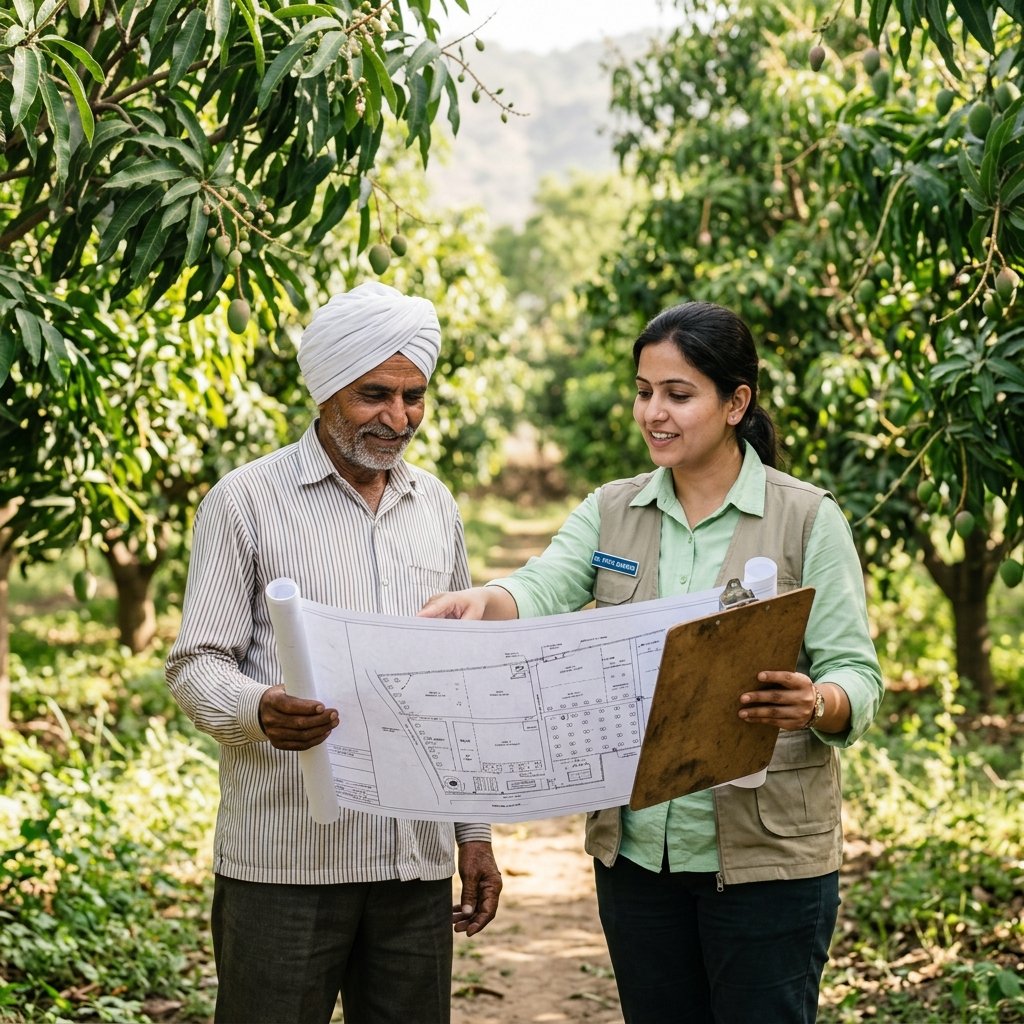
Transitioning to certified organic mango farming increases crop value and opens premium markets. We guide you through the strict compliance and auditing processes.
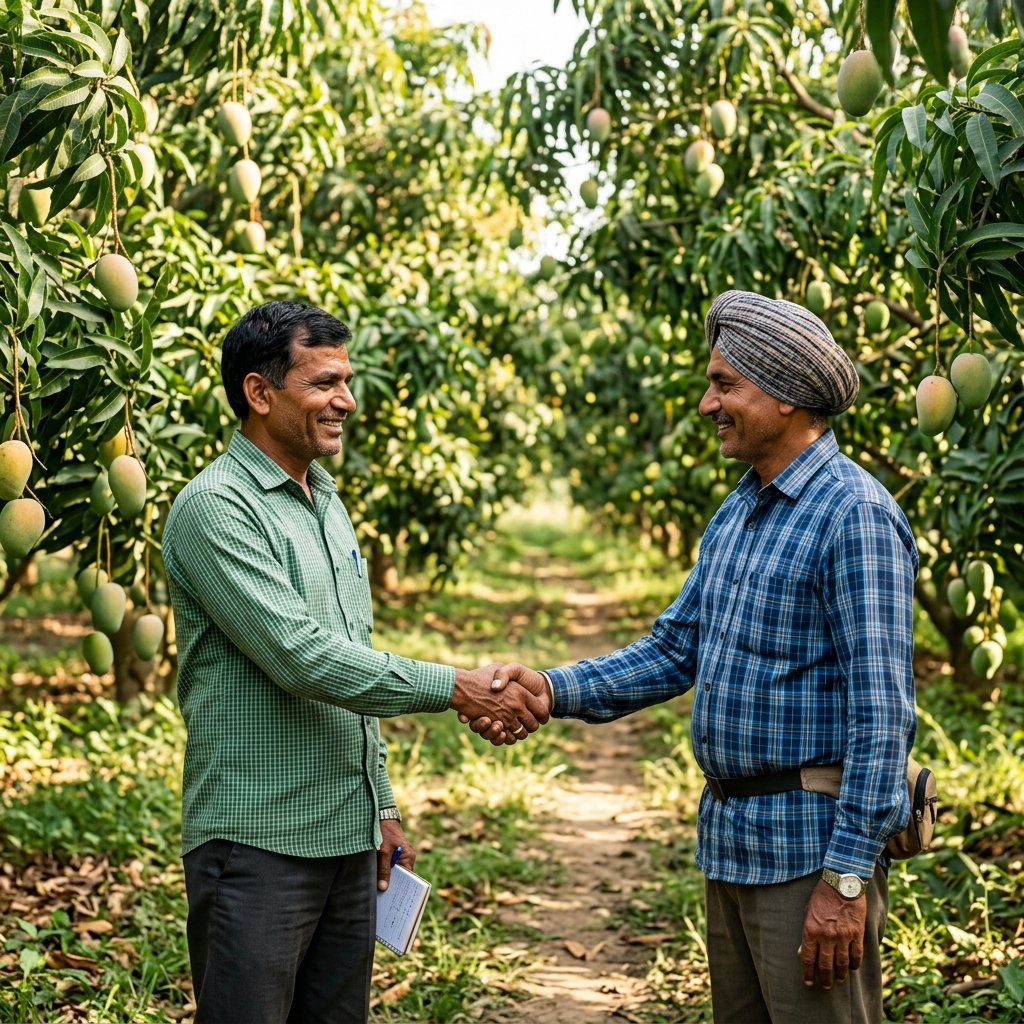
Natural vs Organic
Understanding the distinction between these two sustainable pathways.
| Feature | Natural Farming (ZBNF) | Organic Farming |
|---|---|---|
| Inputs | Zero outside inputs. Uses farm-derived Jeevamrutha, cow dung, etc. | Allows purchased organic fertilizers and bio-pesticides. |
| Cost | Extremely low ("Zero Budget"). | Moderate. Requires purchasing certified inputs. |
| Certification | Focuses on practice rather than formal certification. | Strictly regulated and certified by accreditation bodies. |
| Market Premium | Based on local trust and direct-to-consumer sales. | High premium in formal domestic and export markets. |
Mango Natural Farming Calendar
Month-wise activities for a healthy, naturally managed mango orchard.
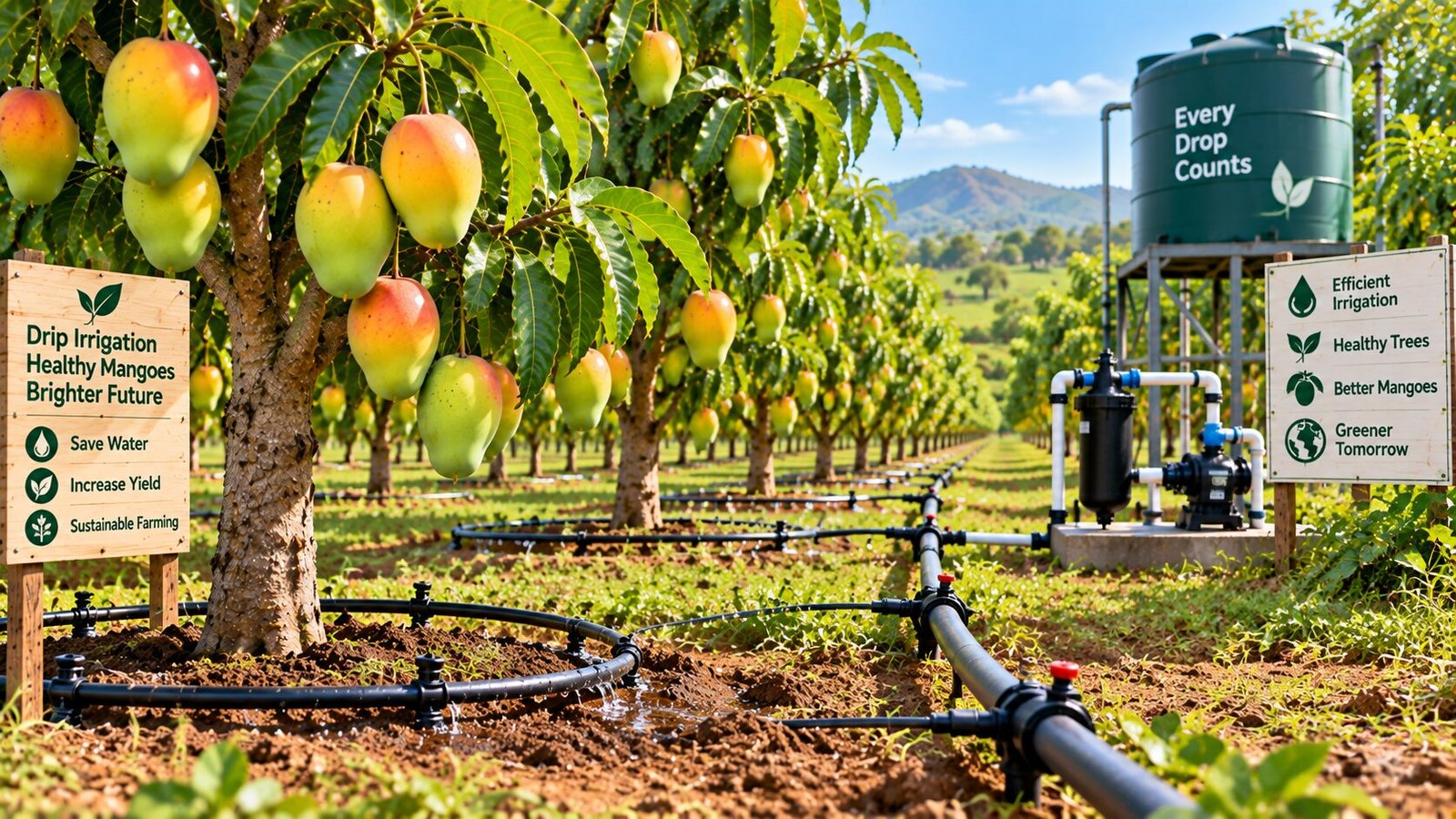
June - July
Pre-Monsoon & Pruning
Center opening, removal of dead wood, application of Ghanajeevamrutha, and sowing green manure crops.
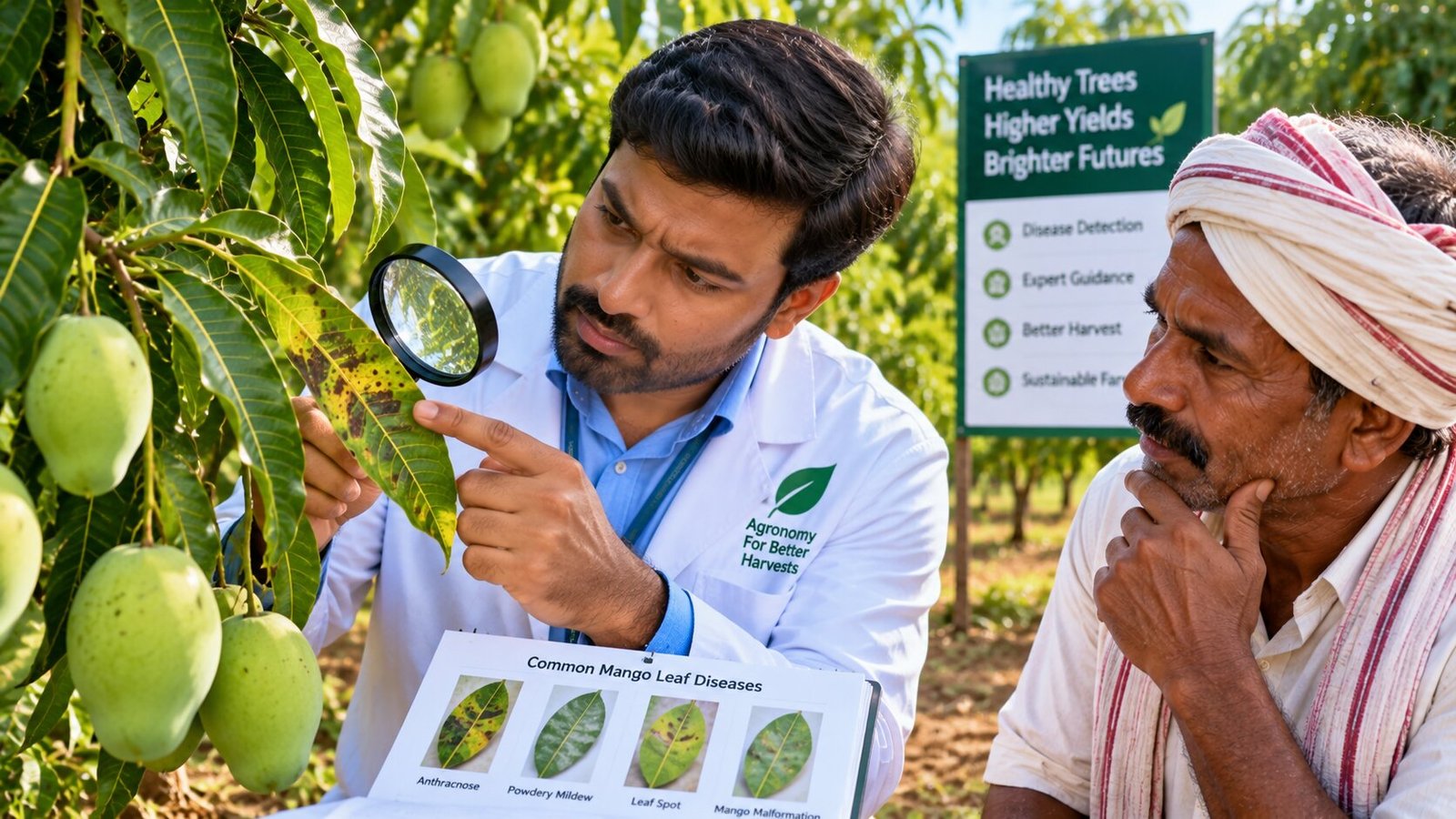
August - September
Vegetative Growth
Incorporating green manure, first spray of Dashagavya, and maintaining soil moisture through mulching.
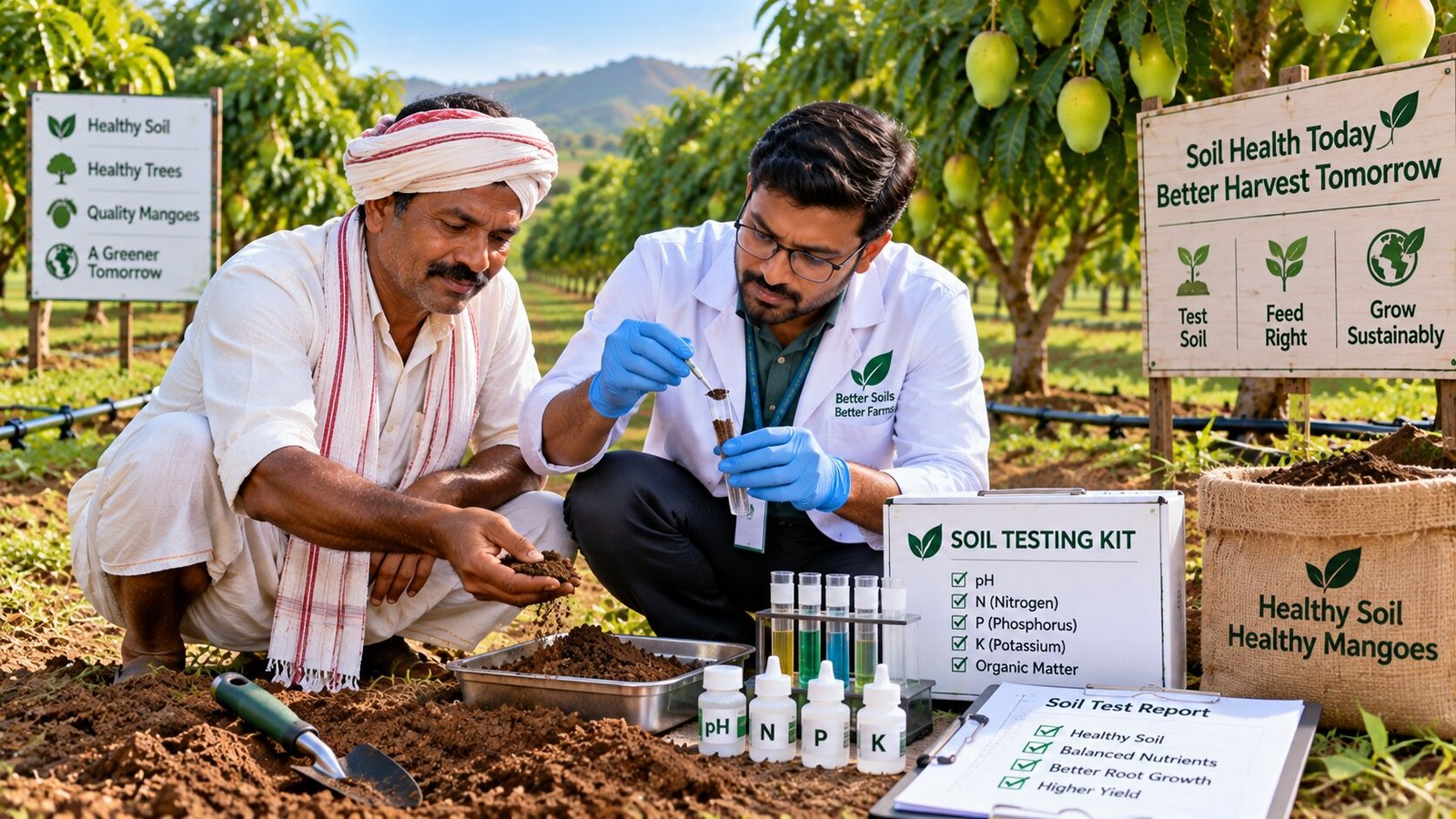
October - November
Pre-Flowering Stress
Withholding water, applying Neem seed kernel extract (NSKE) for hopper management, clearing weed competition.
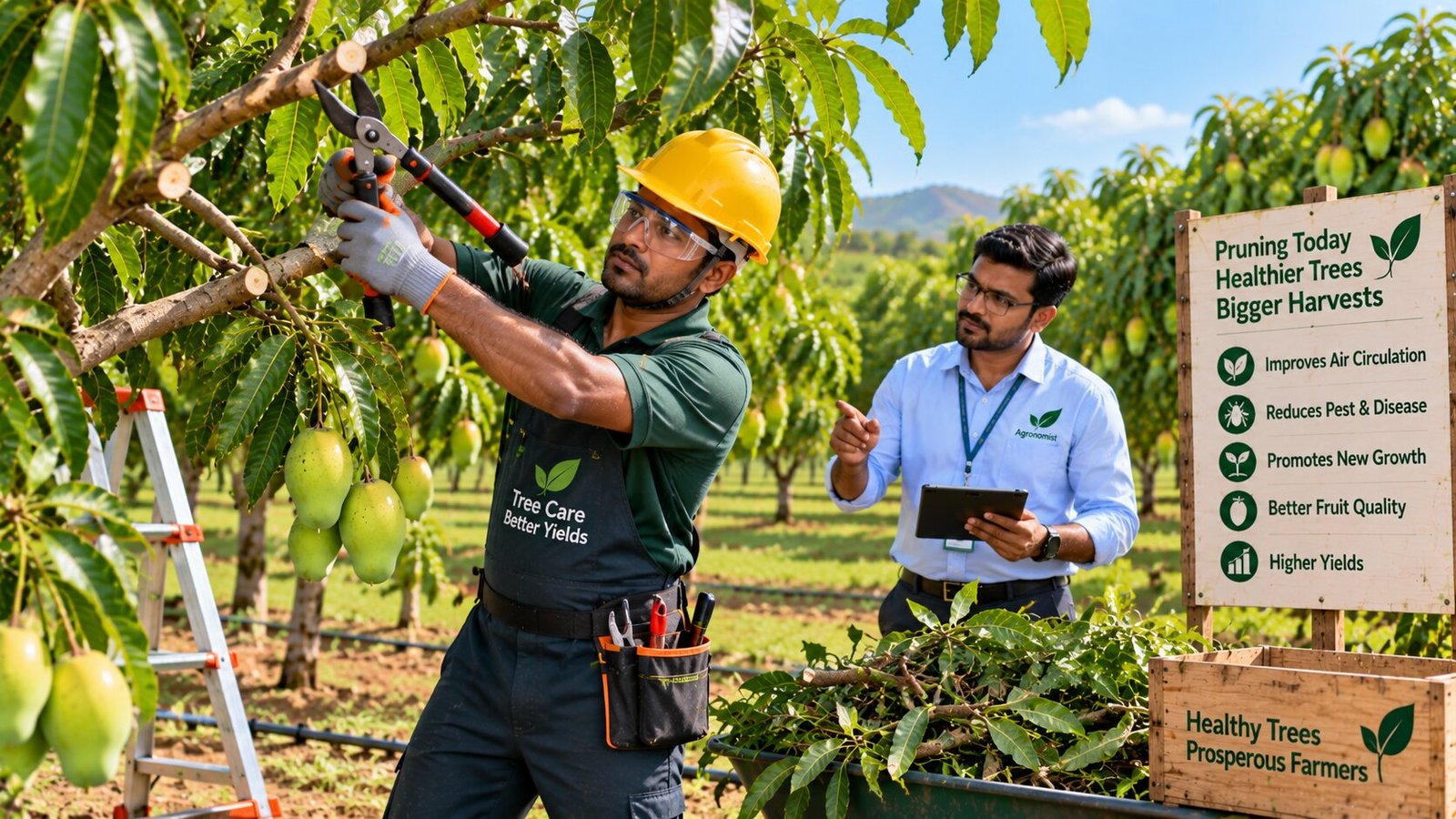
December - January
Flowering Stage
Panchagavya foliar spray to boost flower retention, light irrigation, installing pheromone traps.
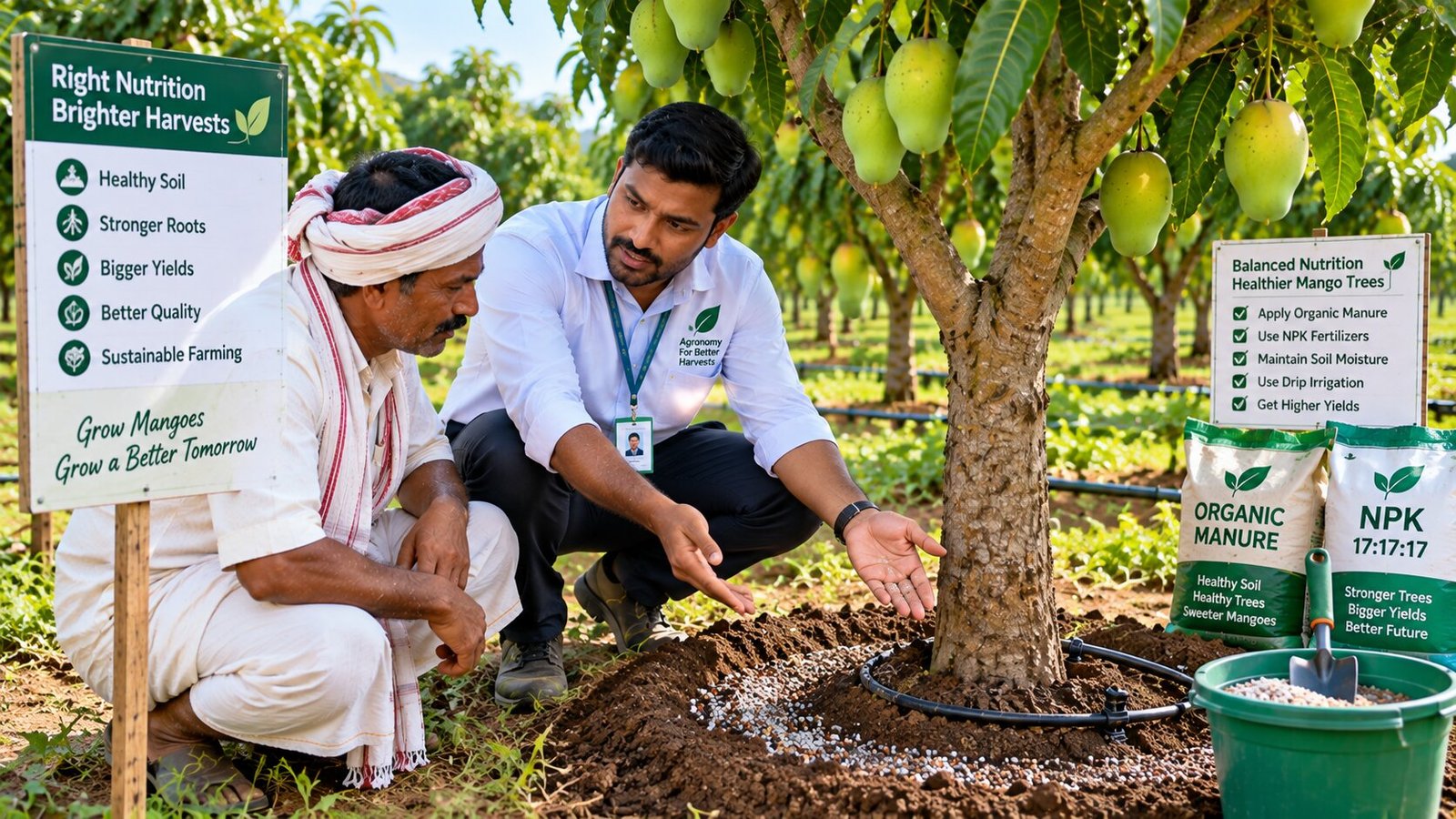
February - March
Fruit Setting
Regular irrigation, application of liquid Jeevamrutha through drip, spraying sour buttermilk for fungal control.
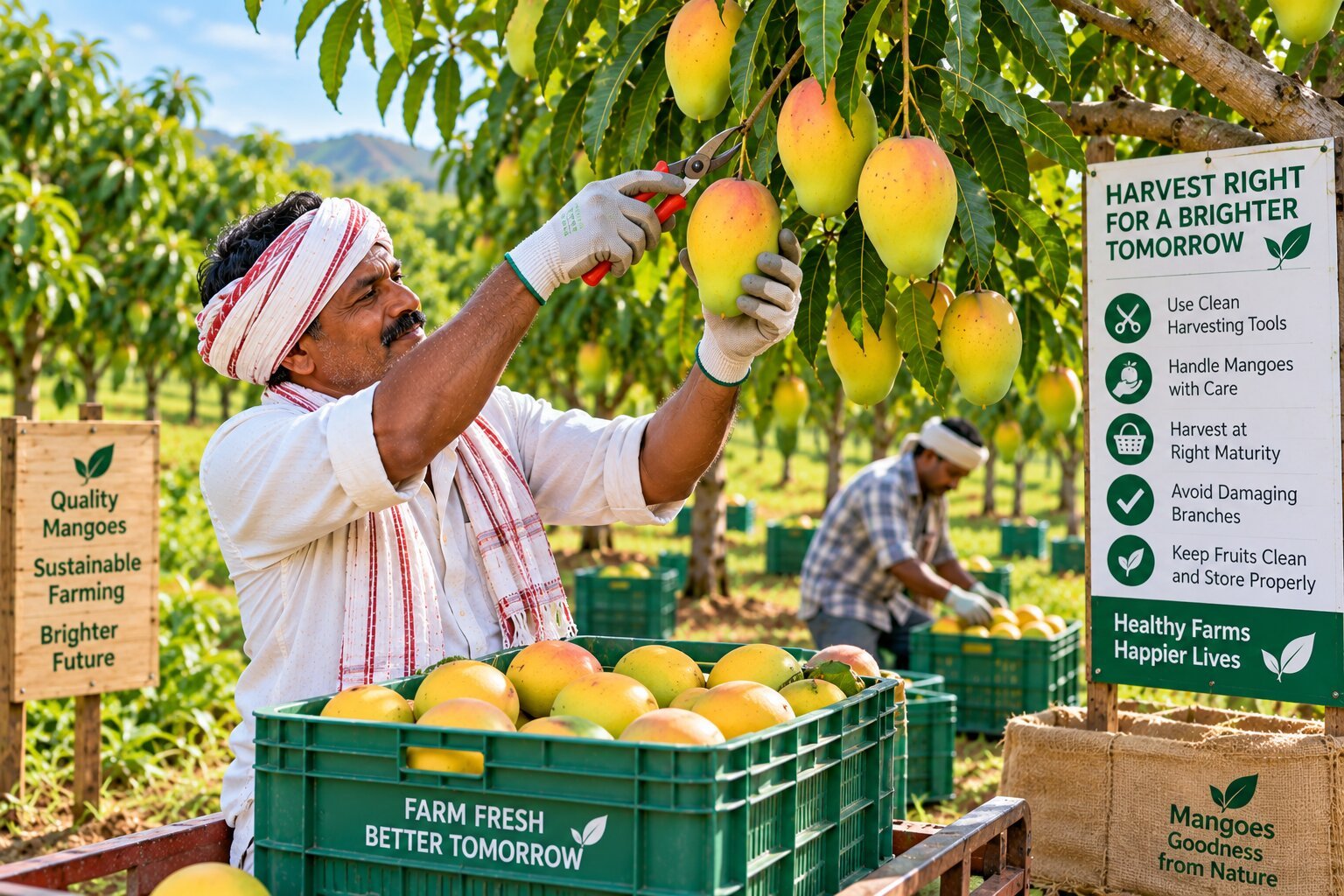
April - May
Maturation & Harvest
Stopping irrigation 20 days before harvest, safe harvesting using poles, grading, and post-harvest management.
Bio-Inputs
Natural farming relies on powerful, homemade microbial cultures and botanical extracts to nourish plants and build immunity.
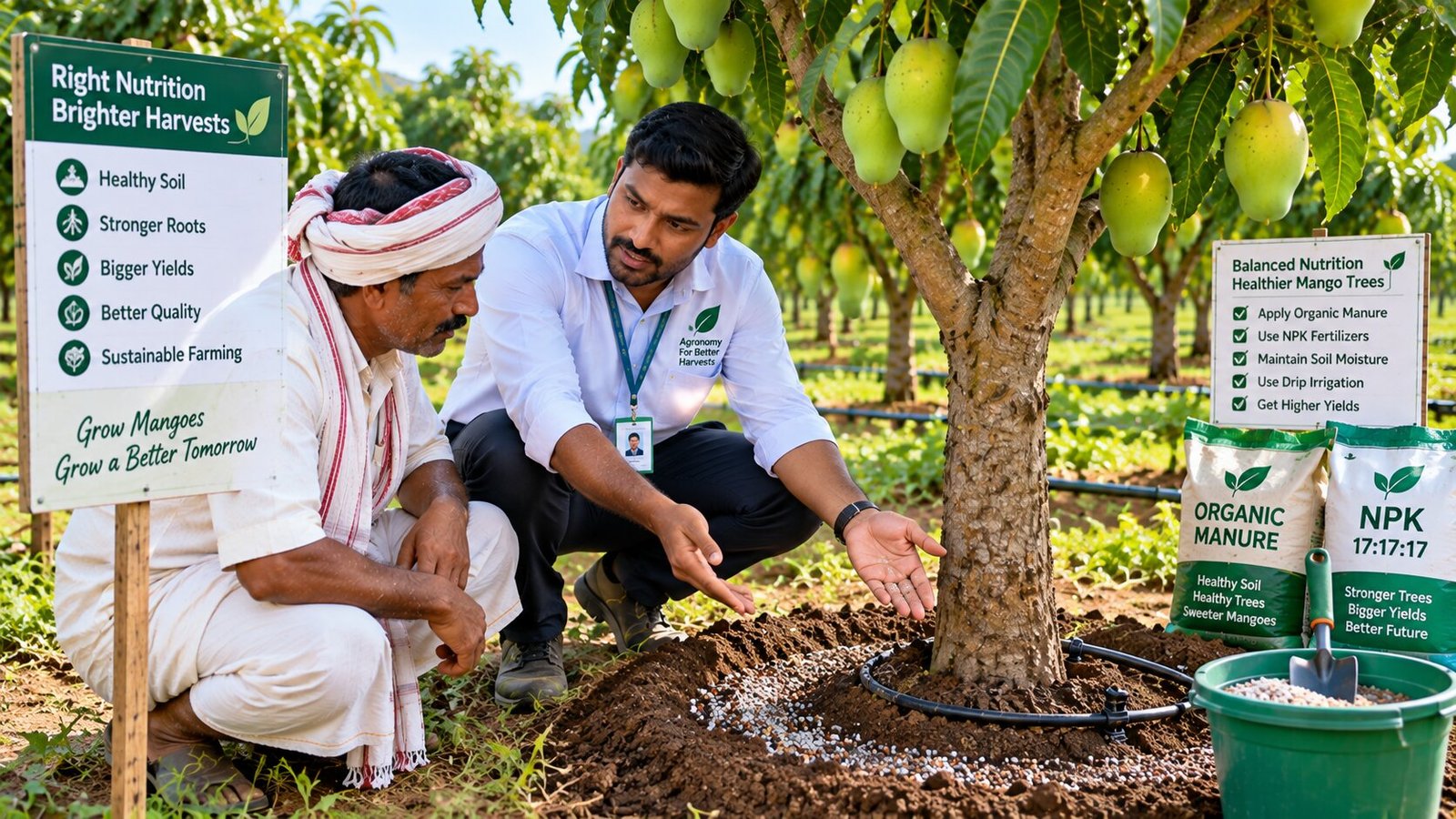
Jeevamrutha & Panchagavya
Fermented mixtures of cow dung, urine, jaggery, and pulse flour acting as potent microbial inoculants and growth promoters.
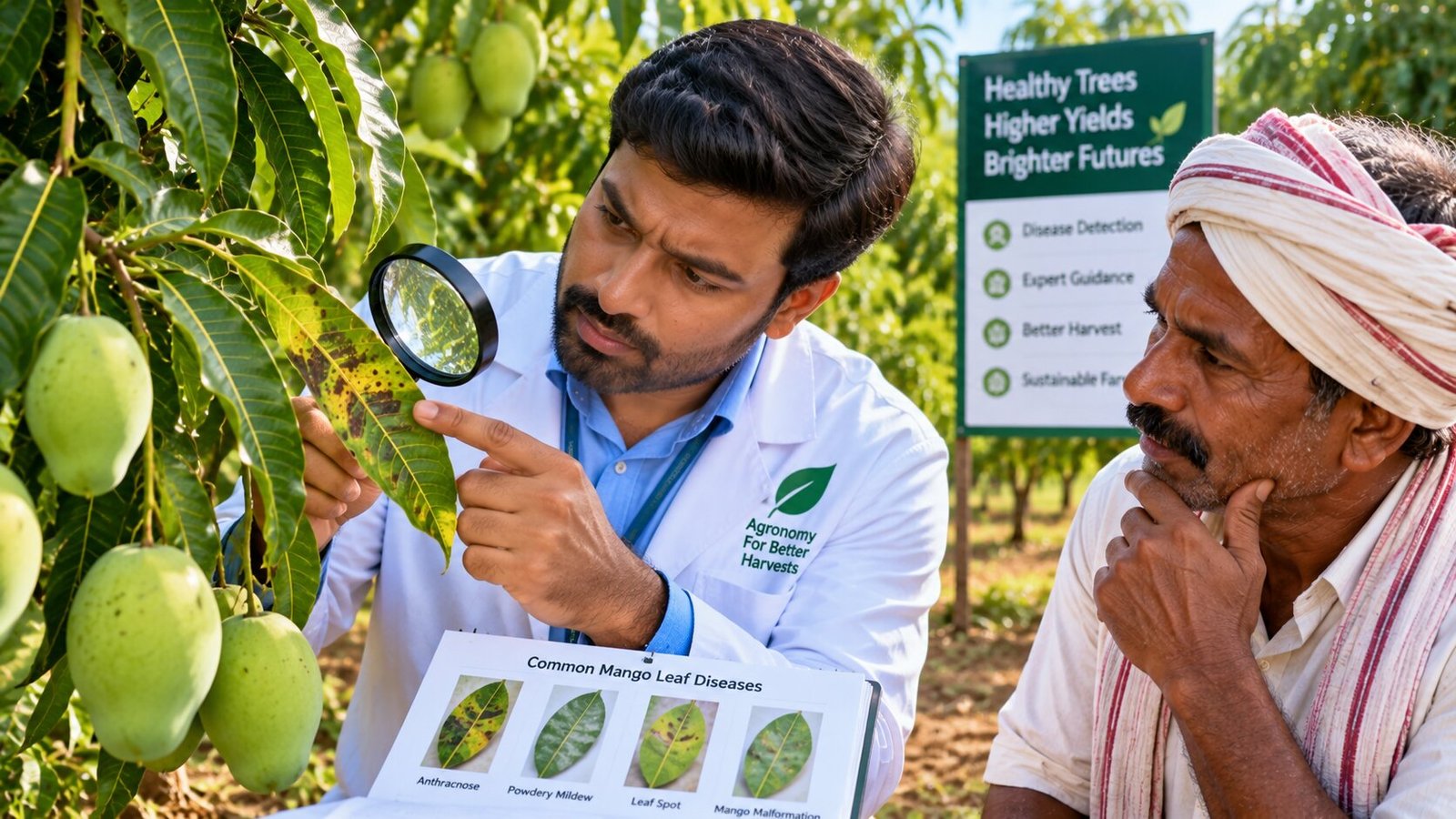
Neem Preparations (NSKE)
Neem Seed Kernel Extract serves as a broad-spectrum botanical insecticide, disrupting pest lifecycles without harming beneficial insects.
Pest & Disease Management
Prevention is better than cure. We focus on building tree immunity and maintaining a balanced ecosystem to keep pests naturally in check.
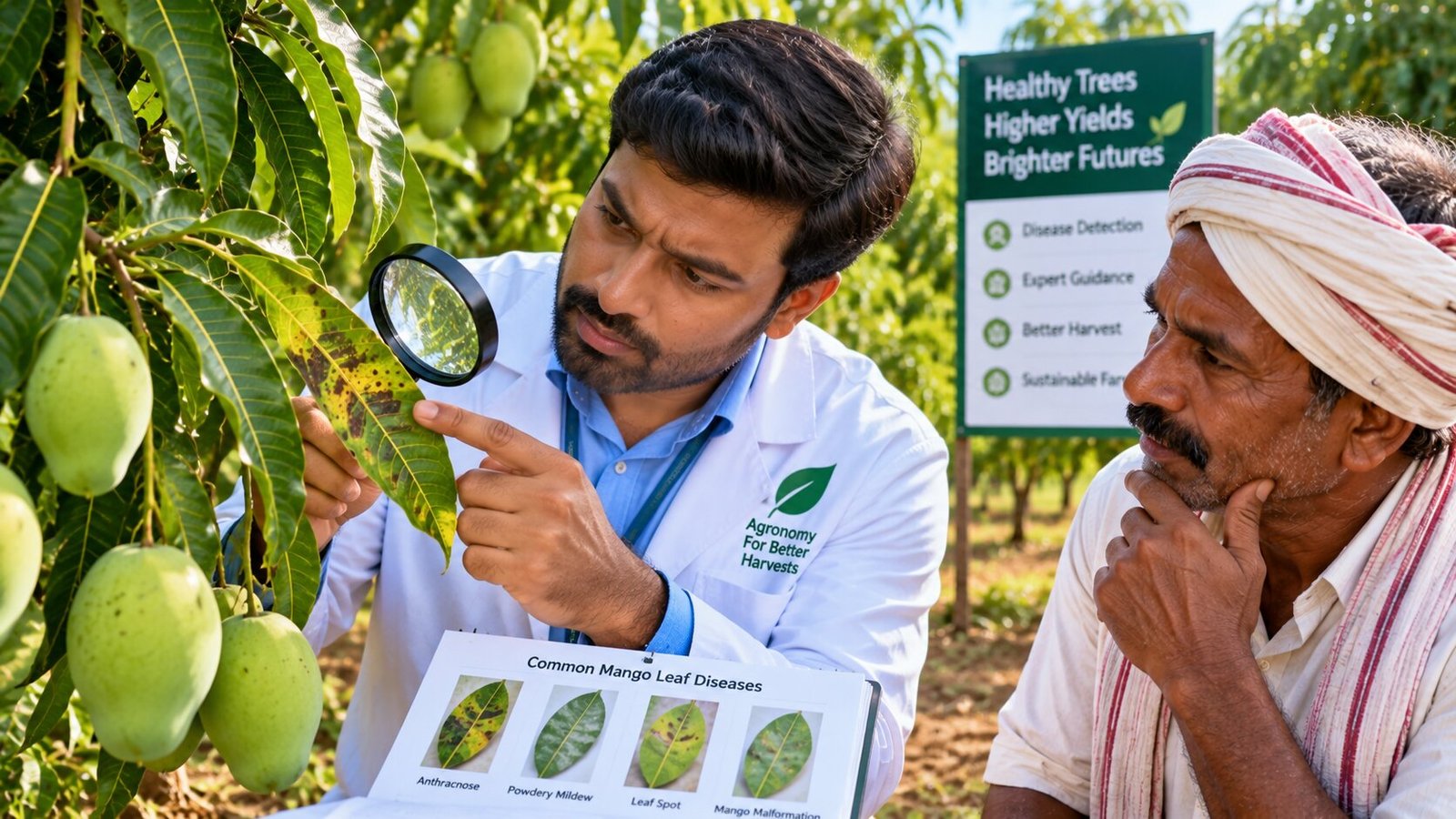
- Light and pheromone traps for Mango Hoppers and Fruit Flies.
- Sour buttermilk sprays for Powdery Mildew and Anthracnose.
- Encouraging predatory birds and insects (e.g., Ladybirds, Spiders).
Building Soil Health
The foundation of a productive mango orchard lies beneath the surface.
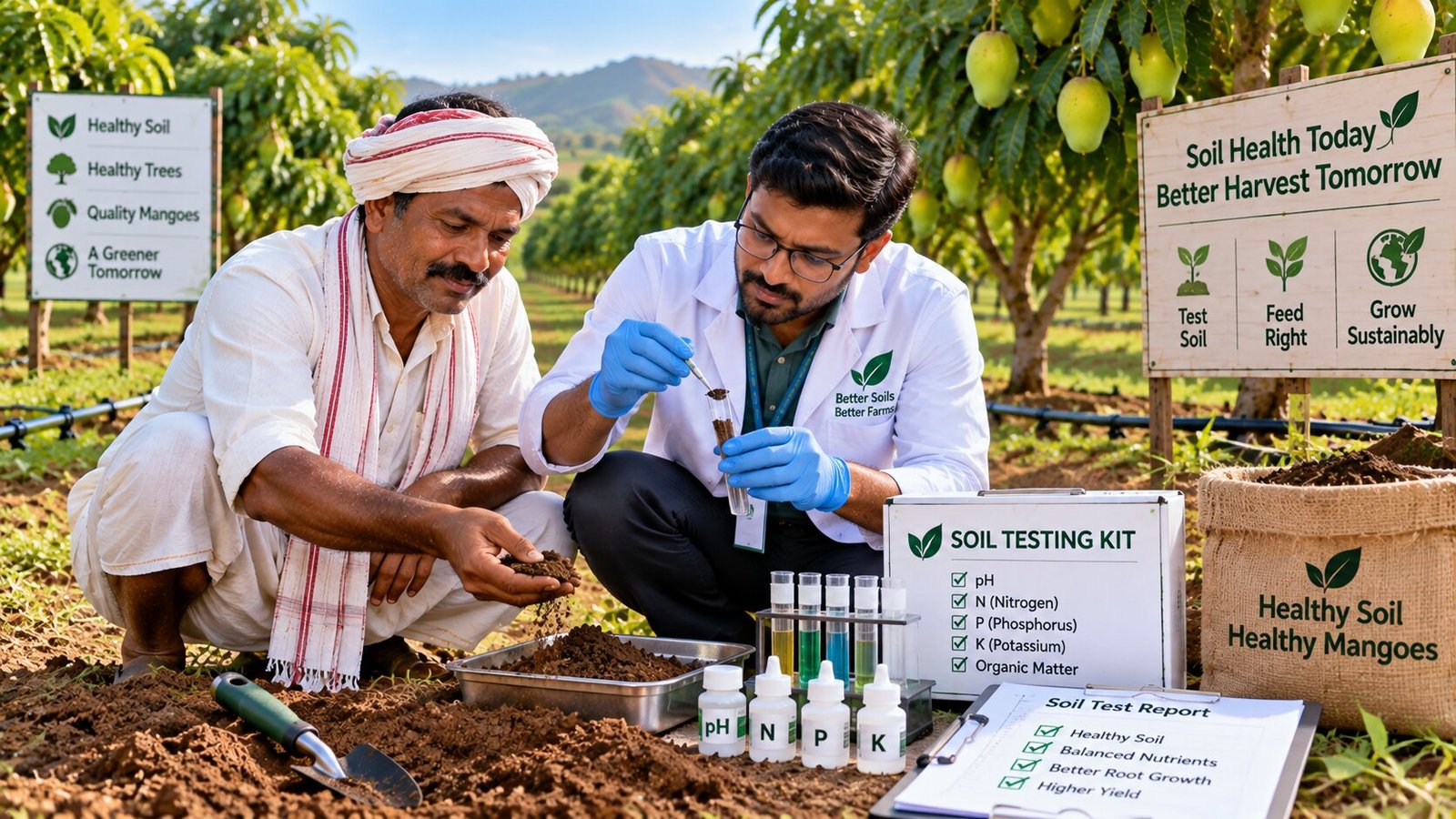
Organic Carbon
Continuous addition of biomass improves humus content.
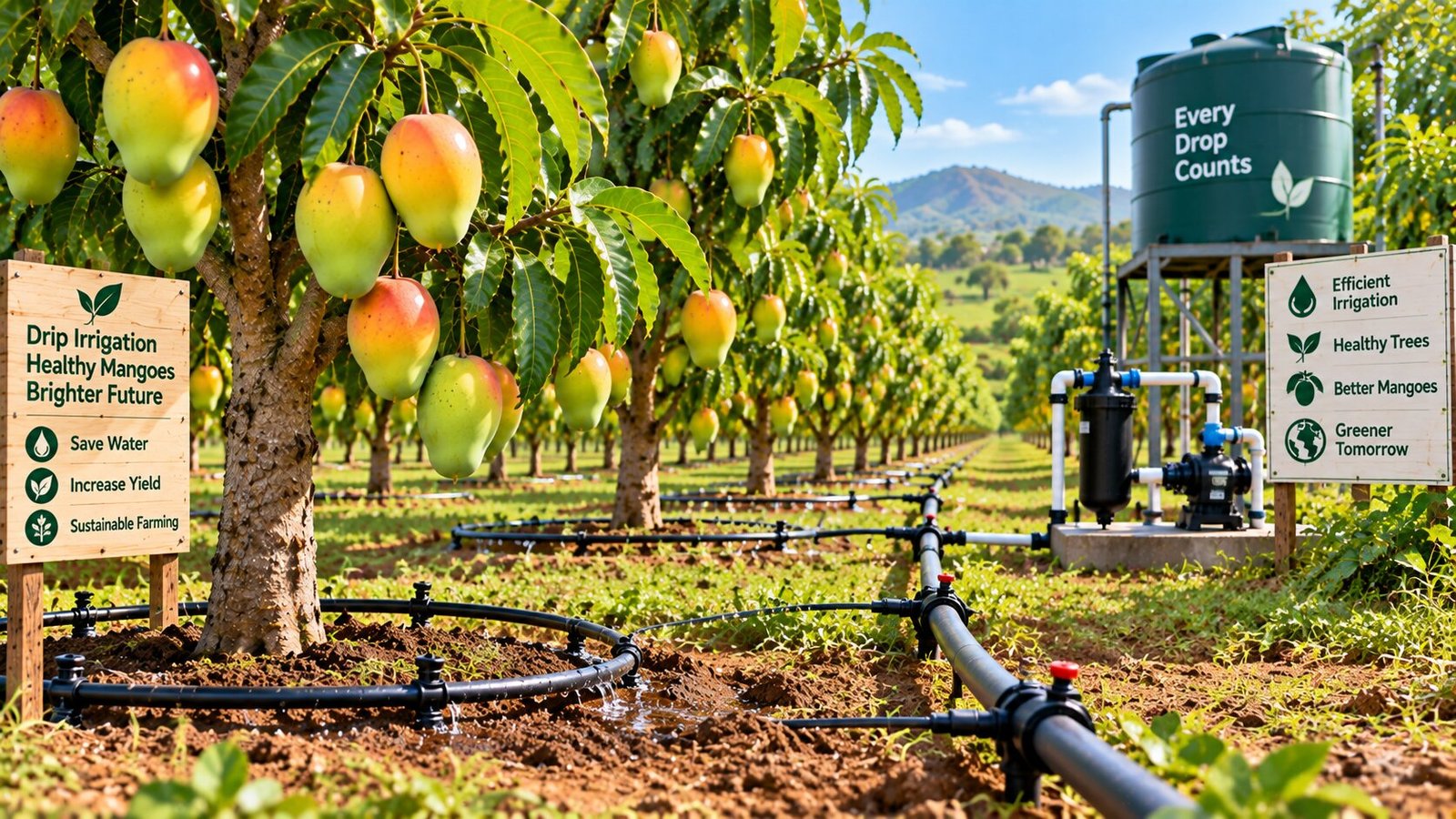
Structure & Moisture
Enhanced porosity and water holding capacity via deep root activity.
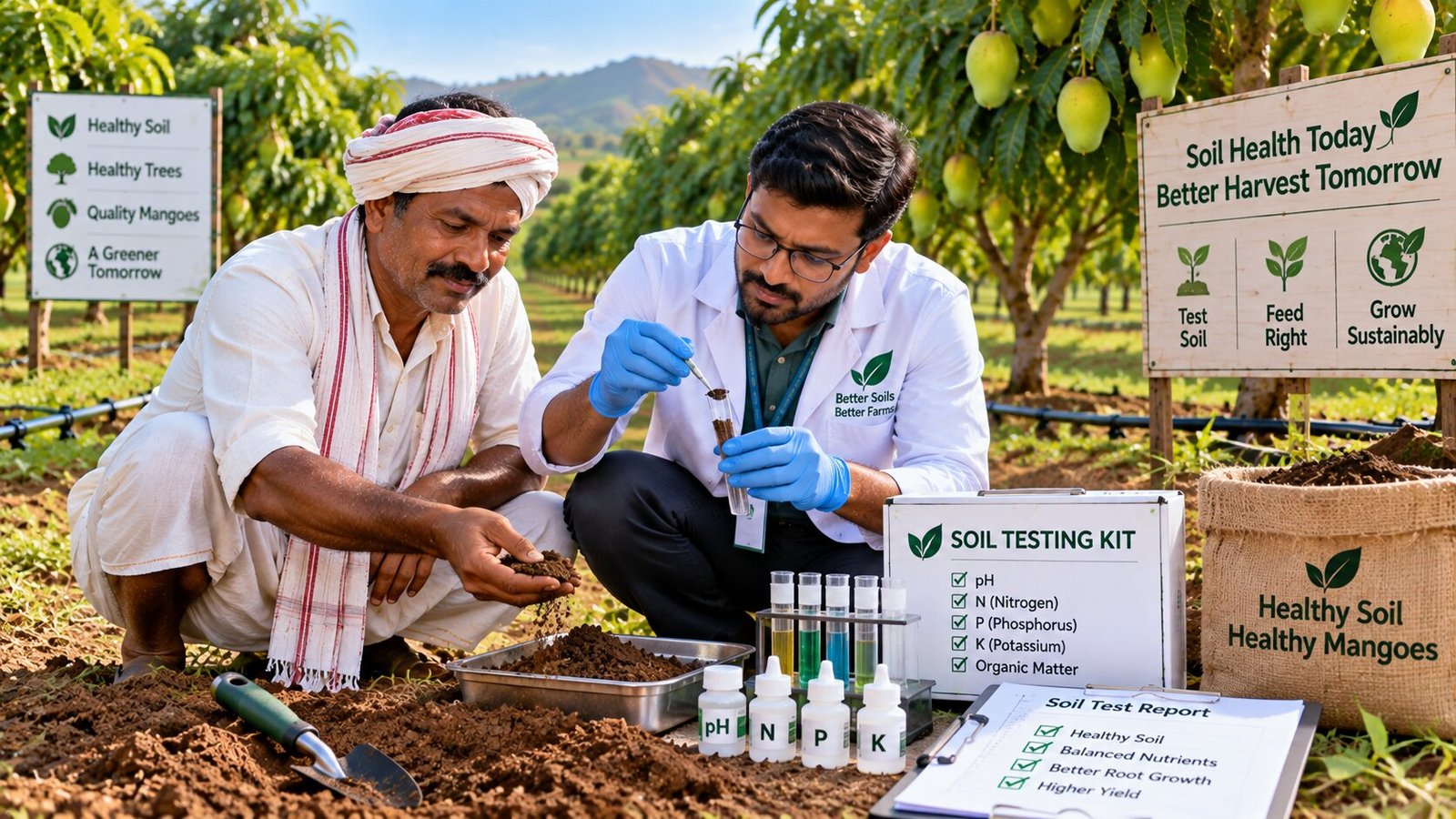
Microbial Flora
Symbiotic fungi and bacteria mobilizing locked nutrients.
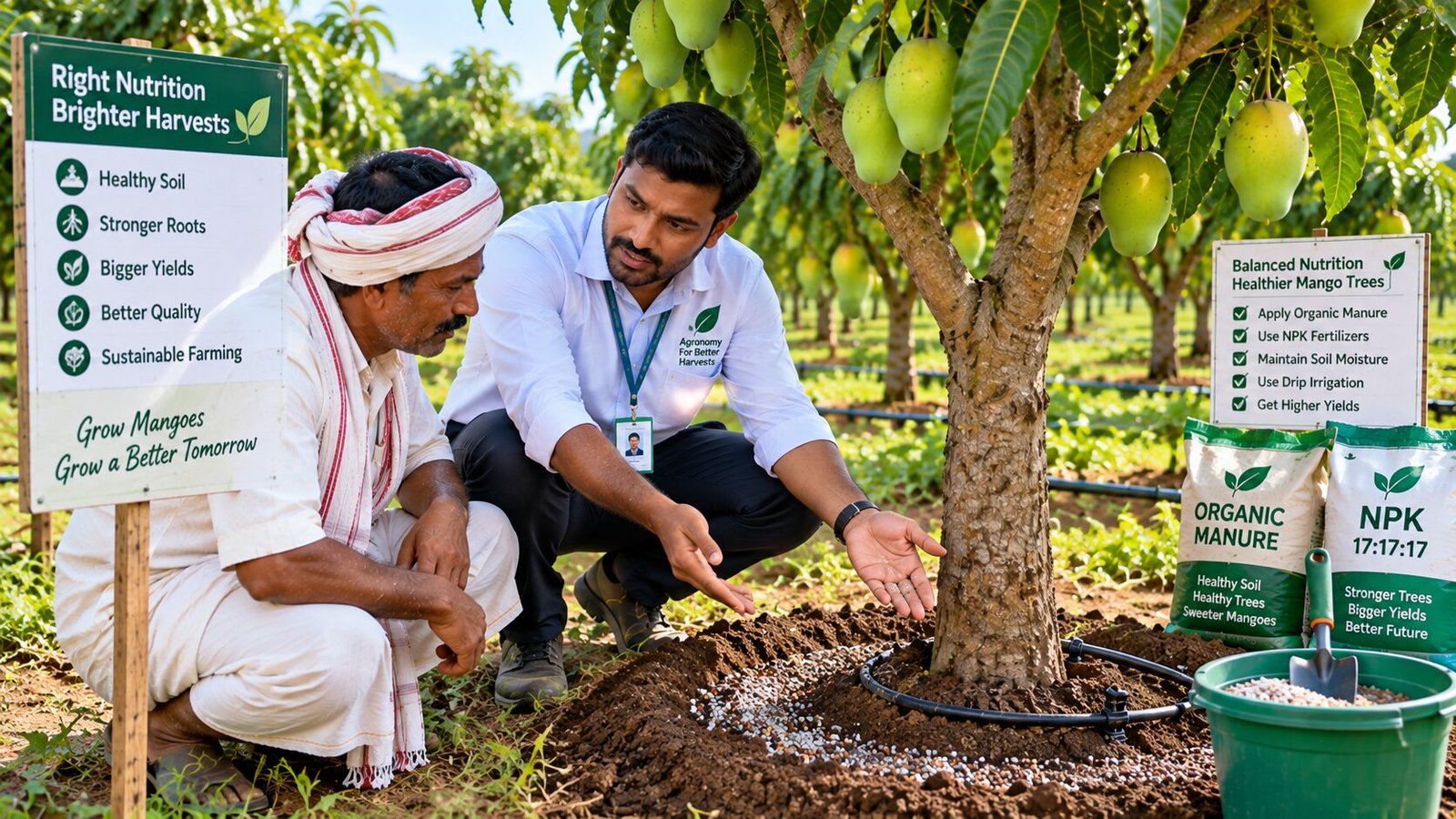
Balanced Nutrients
Natural slow-release of essential macro and micronutrients.
Natural Farming + Modern Technology
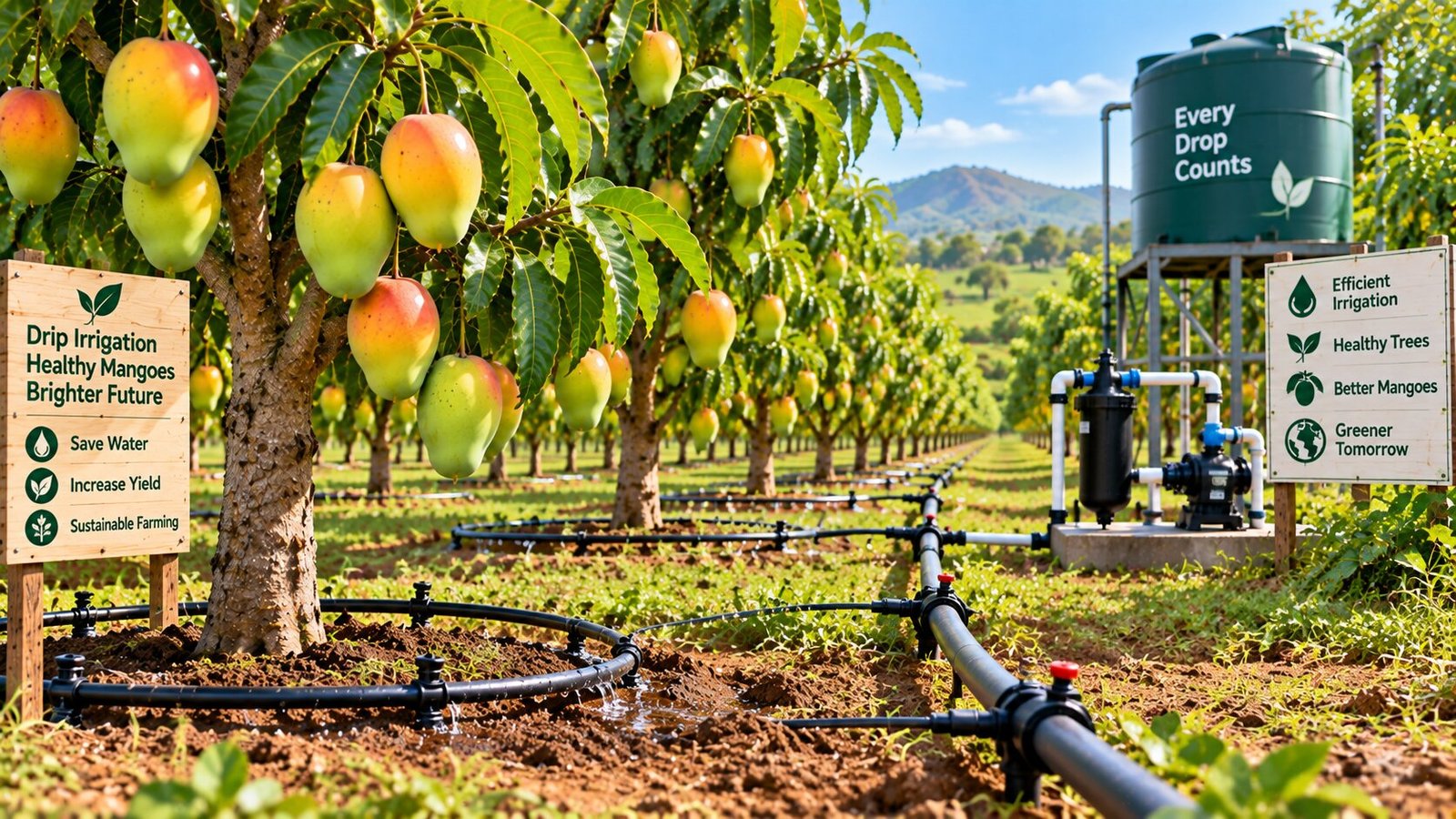
Micro-climate Tracking
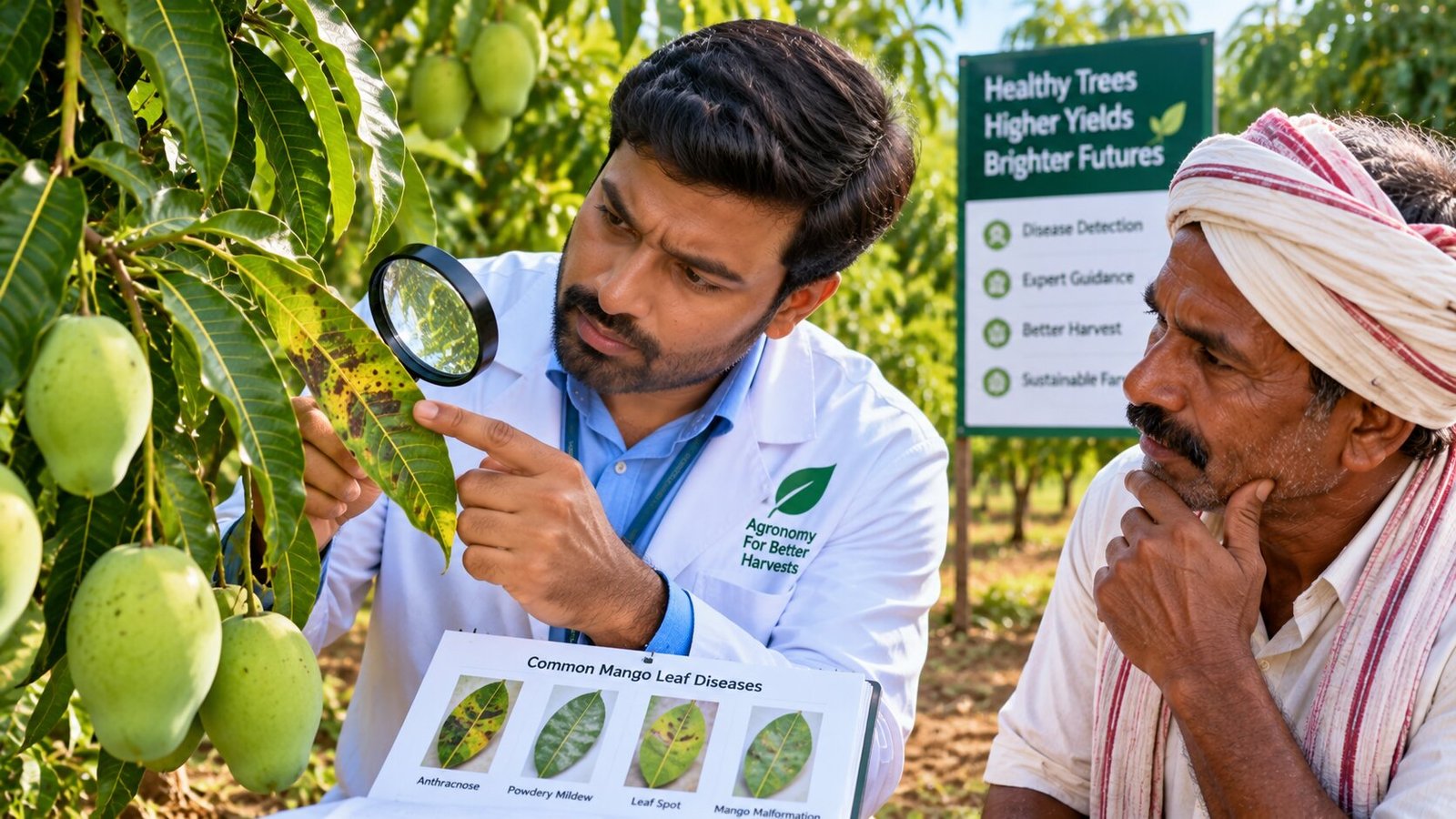
Early Pest Alerts
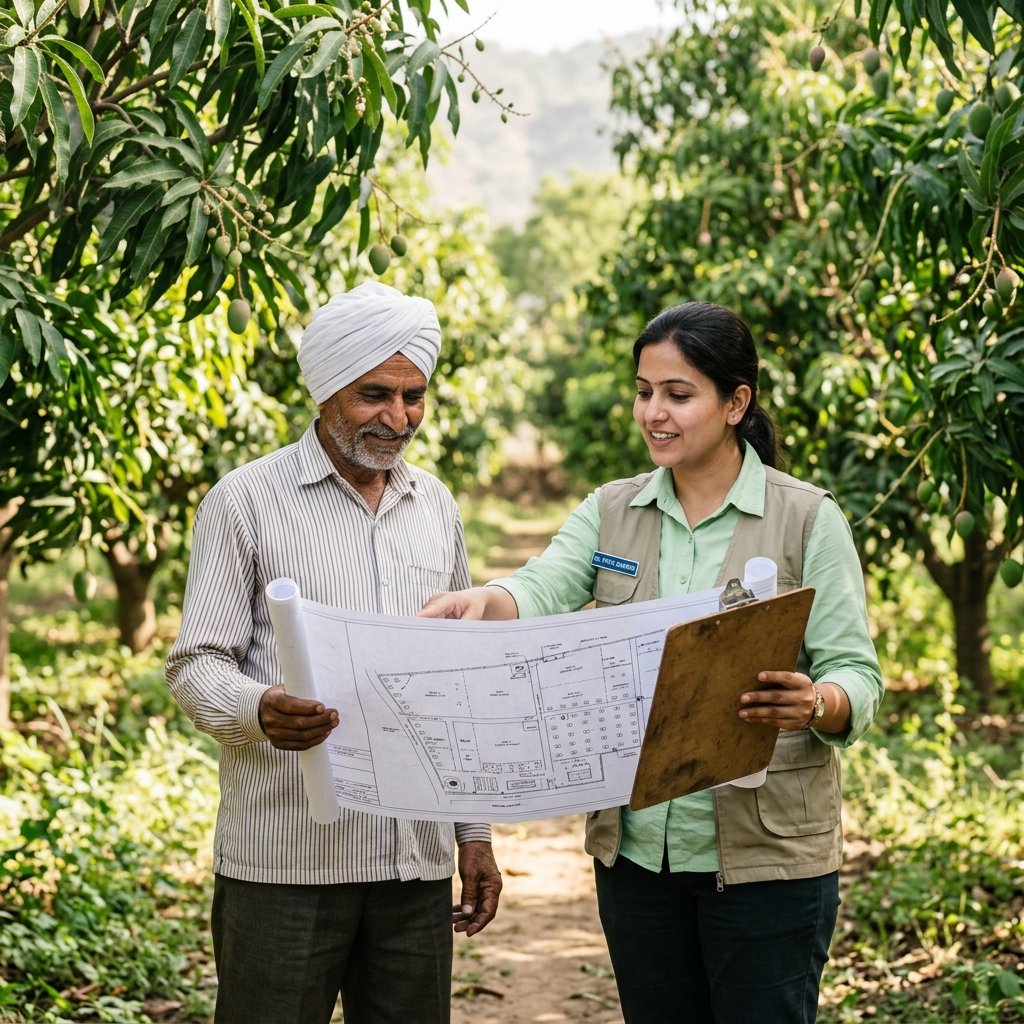
Canopy Assessment
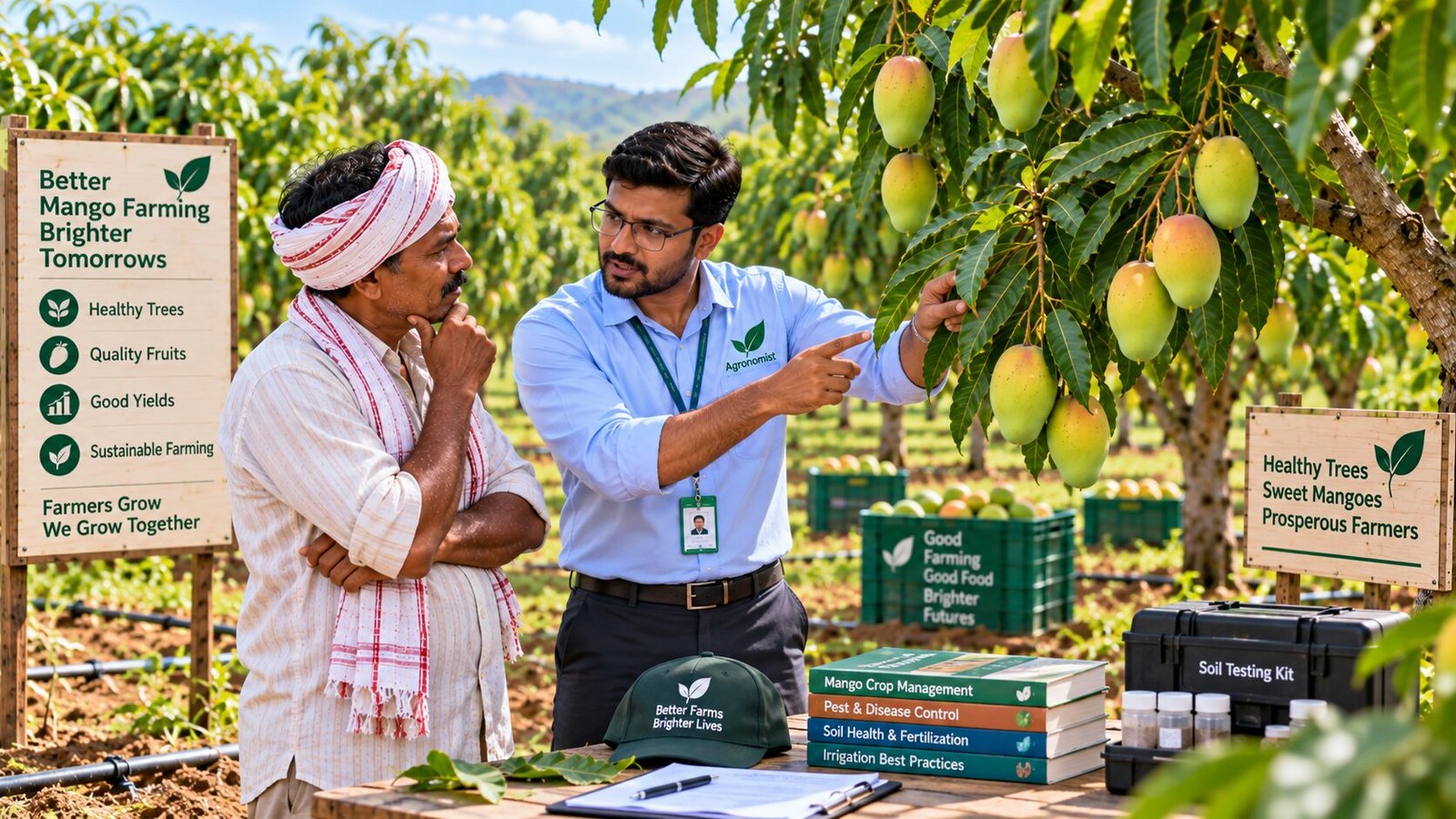
Data-Driven Interventions
Farm Sustainability Assessment
We periodically evaluate your orchard on ecological, economic, and social parameters to ensure your practices are truly sustainable and progressing towards long-term resilience.
Request an Assessment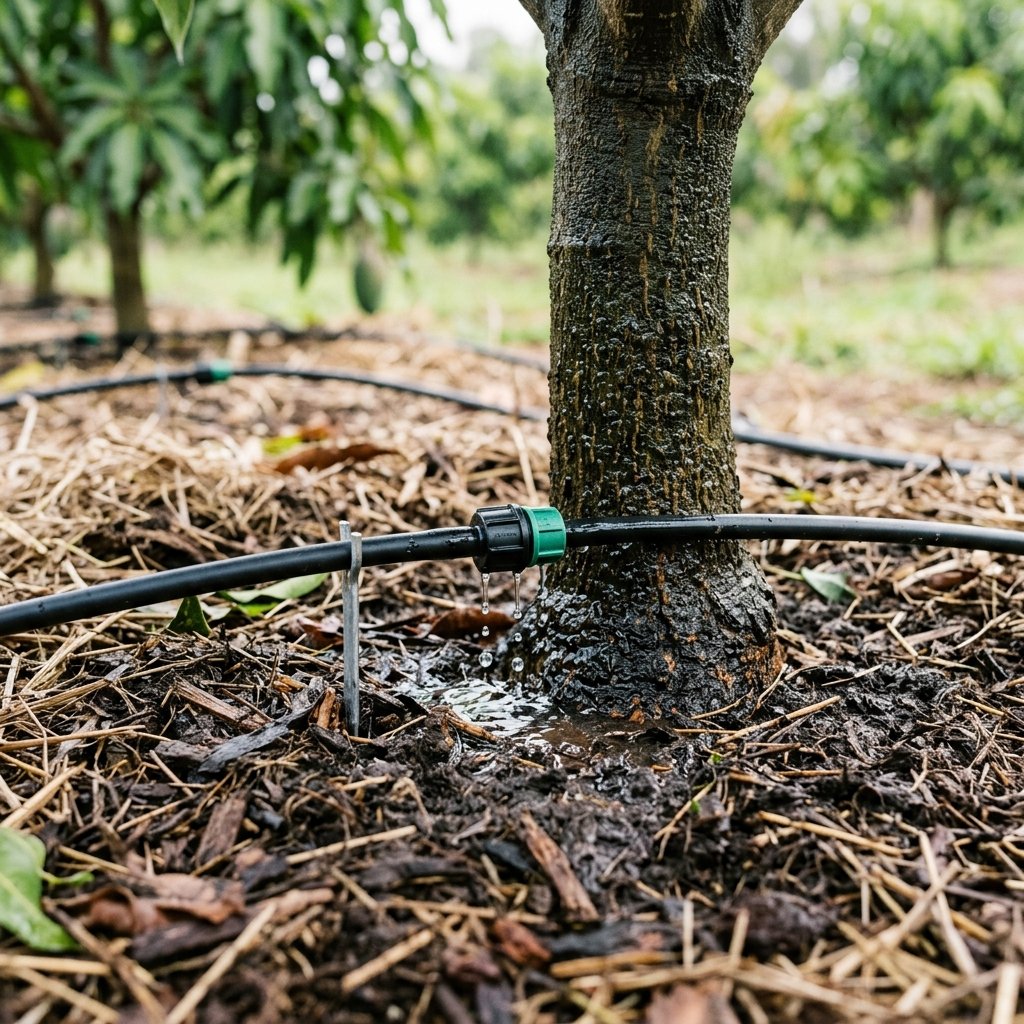
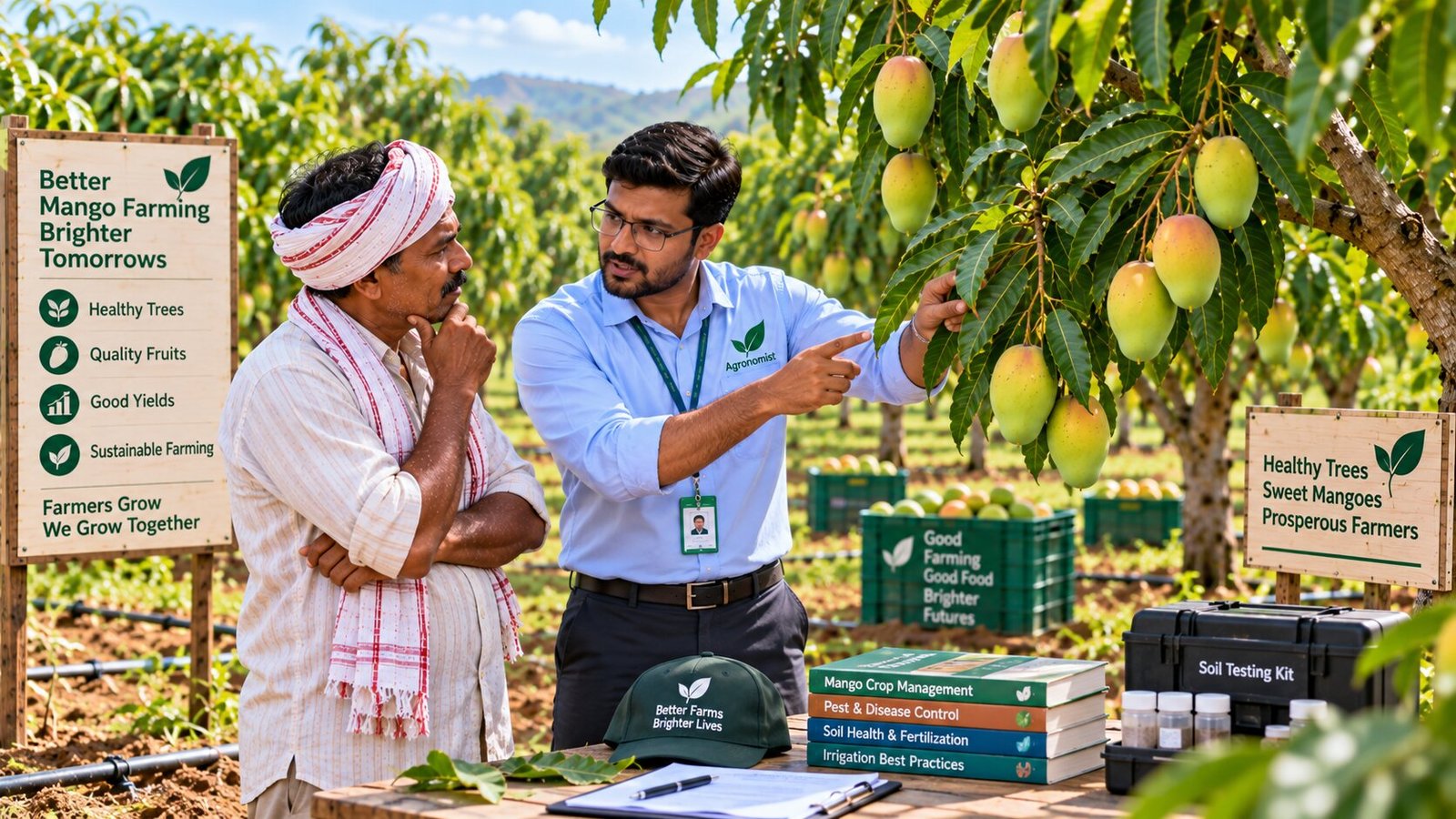
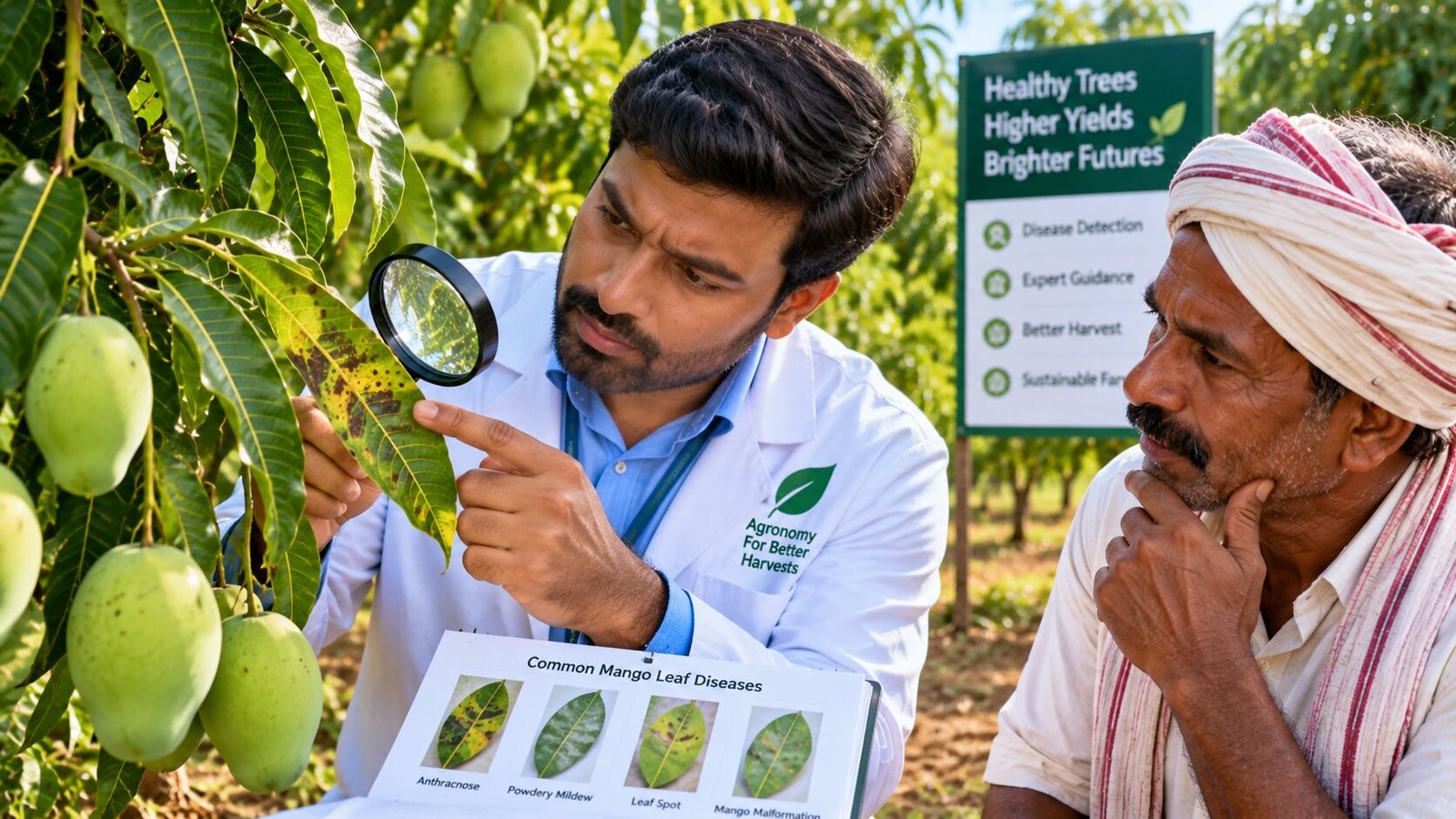
Farm Advisory
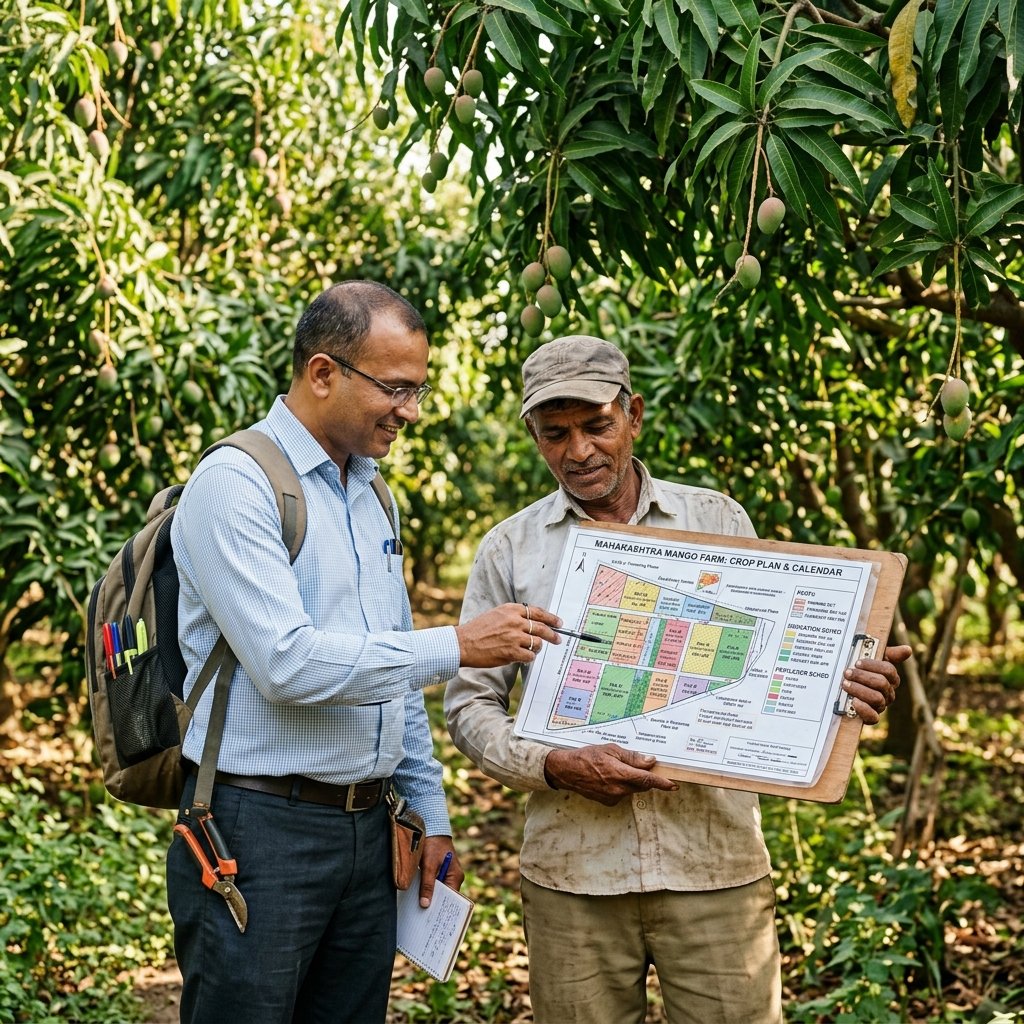
Get personalized, on-site or remote guidance from our natural farming agronomists.
Ask an Expert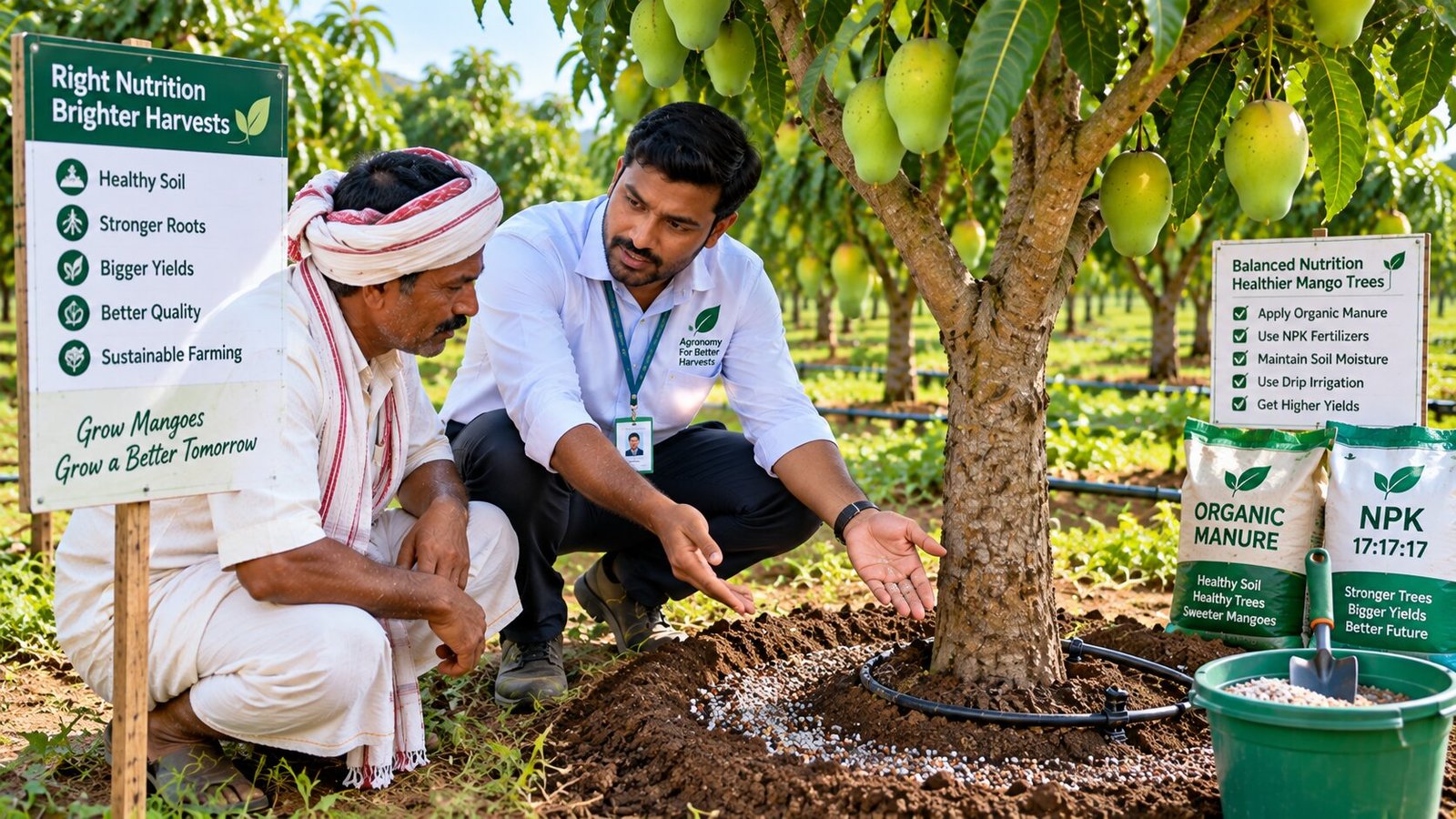
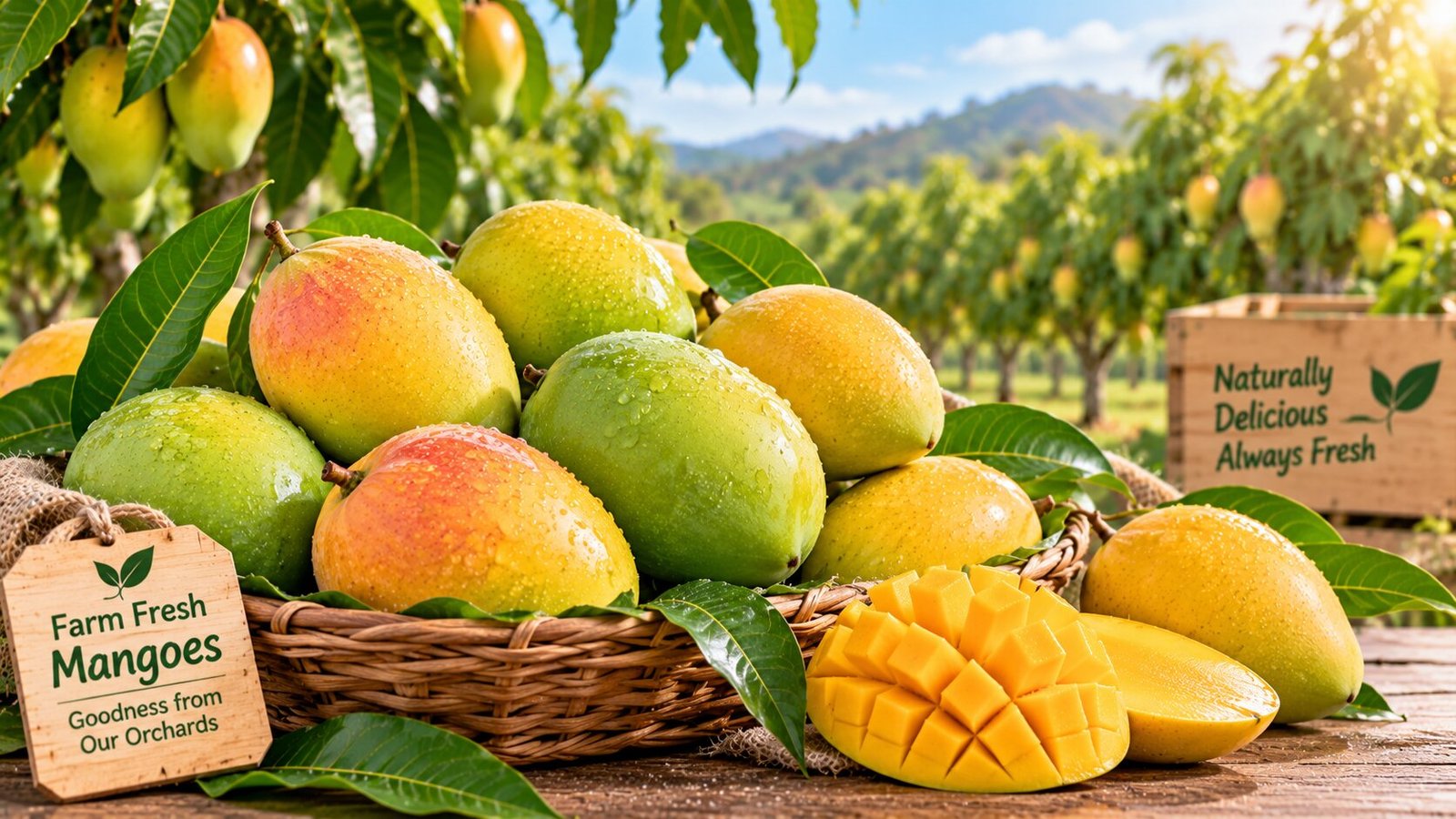
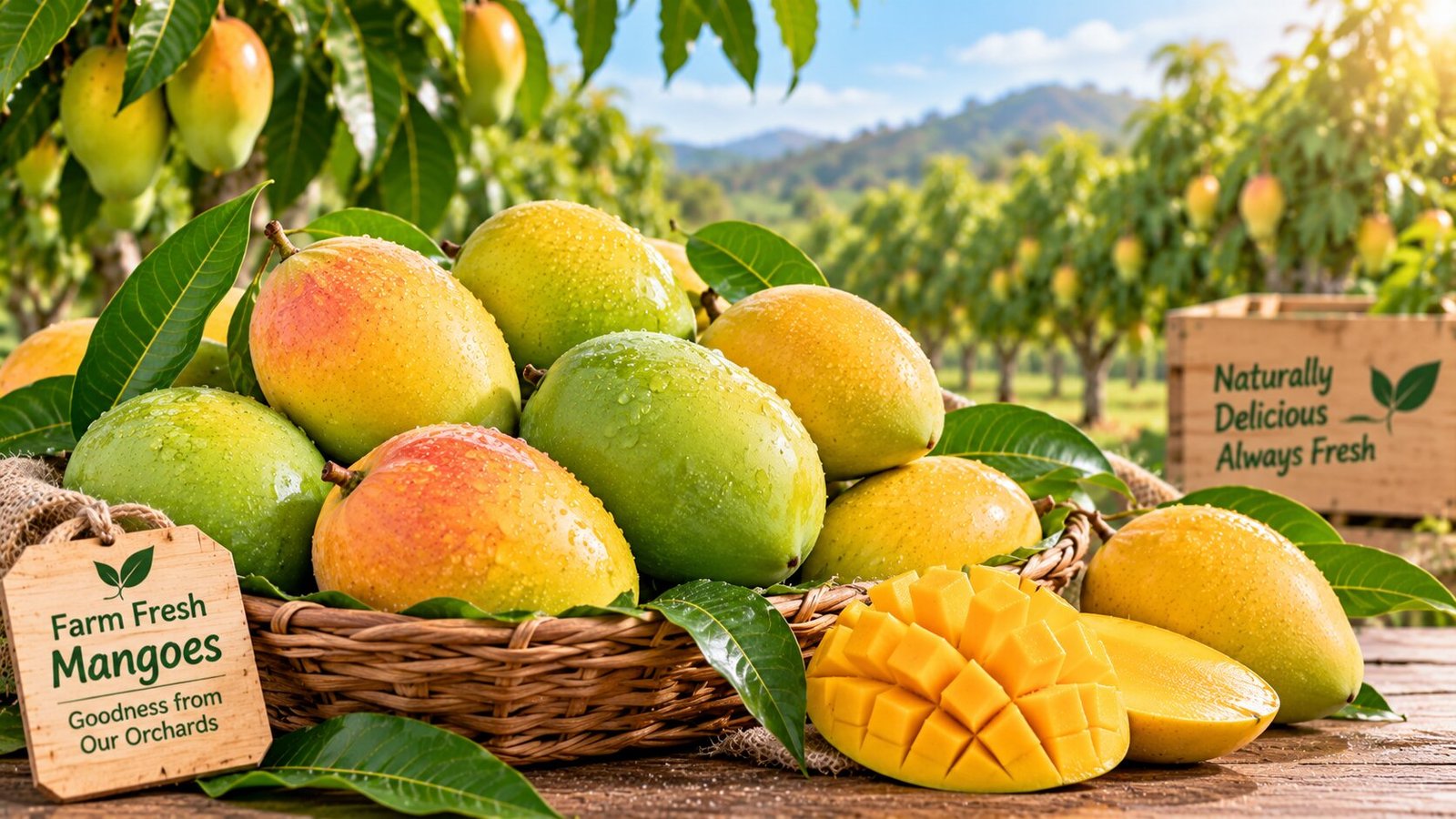
Marketplace
Connect with verified buyers for your natural mangoes and source quality bio-inputs.
Explore Market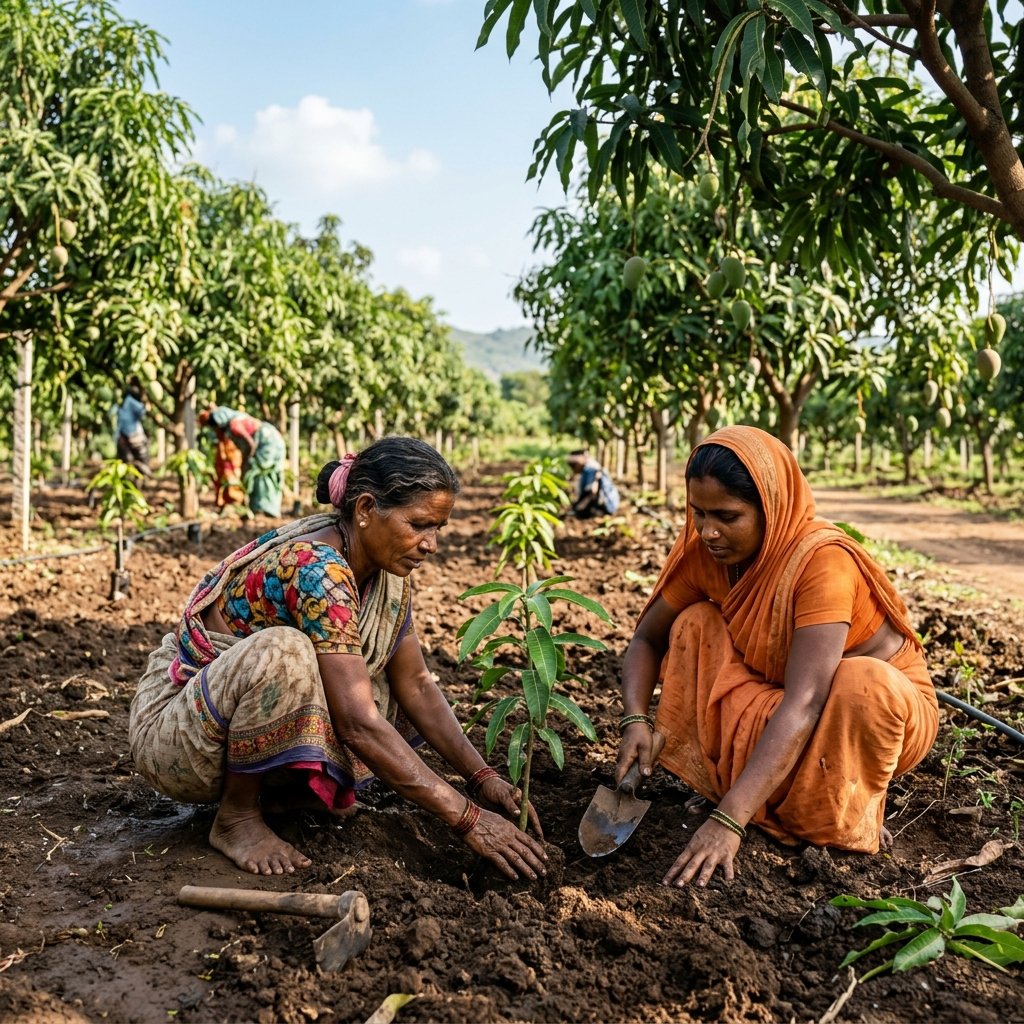
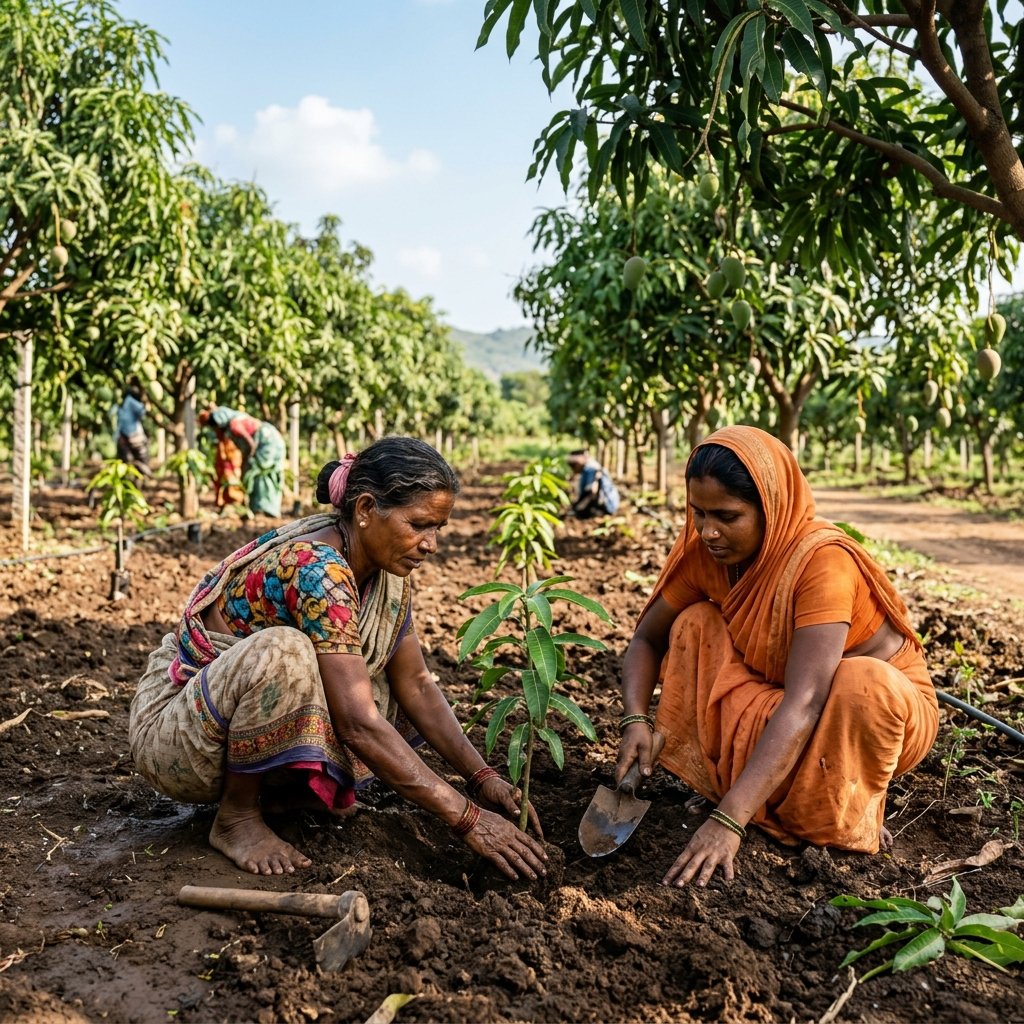
Sustainability Benefits
Environmental
Zero chemical runoff, preserving local water tables.
Economic
Drastically reduced input costs improve net margins.
Health
Safe, residue-free fruits for consumers and safe handling for farmers.
Resilience
Trees become naturally resistant to climate shocks and pests.
Visit Our Model Farm
Experience practical mango farming knowledge at our Model Farm in Palamaner, Andhra Pradesh. See our natural farming practices in action and consult with our experts on-site.
Model Farm
2-13, Ramapuram
Live Stock Farm PO
Palamaner - 517 408
Chittoor District
Andhra Pradesh
Ready to Transition to Natural Farming?
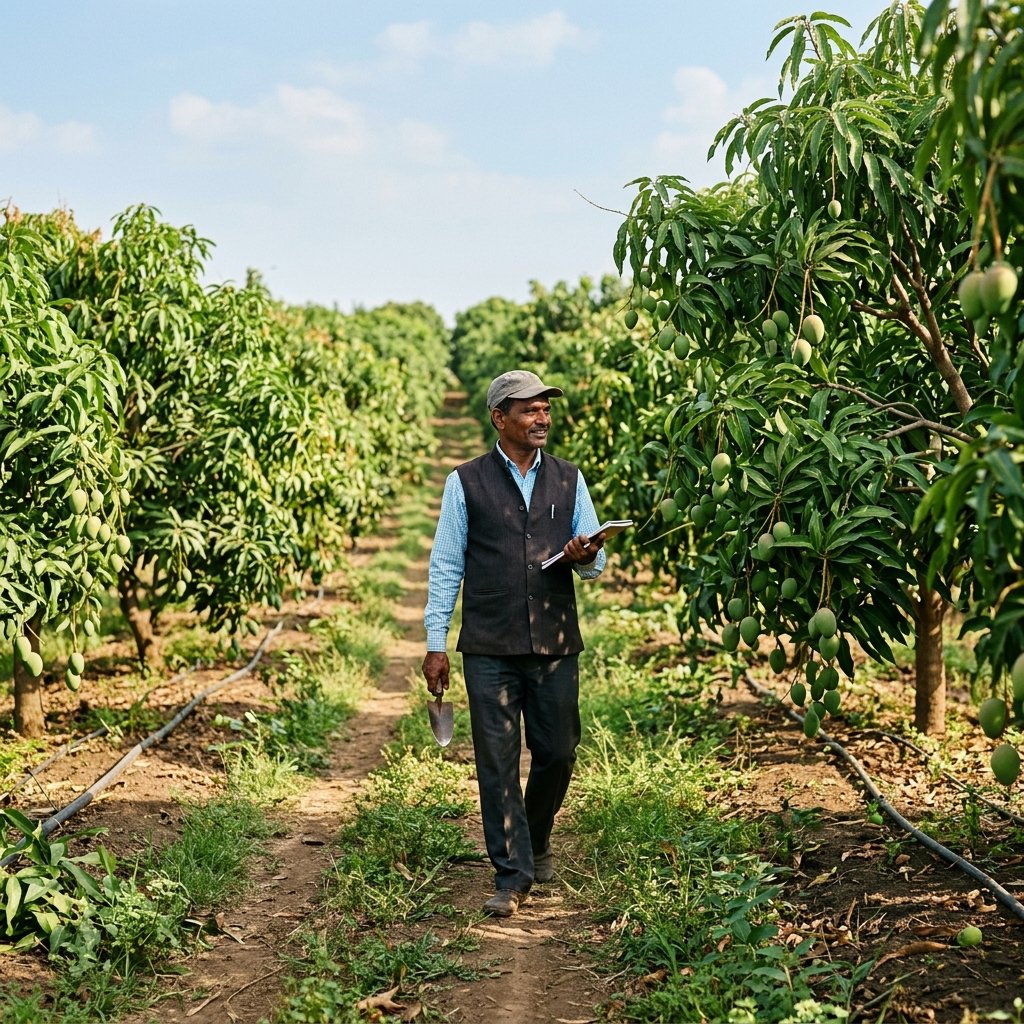
Partner with MangoFarmEasy for expert handholding through every step of your sustainable farming journey.
Start Your Journey Today